SIPs vs. Modular Homes: The Comparison Most Buyers Get Wrong
A lower quote seems easy to trust. So is a shorter timeline. When you are comparing Structural Insulated Panels (SIPs) and modular homes, those two numbers can start to feel like the whole decision. They are not, and shouldn't be.
Price and speed matter, but only after you understand what each quote includes, and what your site can handle. Without that context, choosing the lower upfront number can lead to additional costs later, when the project has less room to adjust.
For first-time house buyers, downsizers, investors, builders, and Accessory Dwelling Unit (ADU) buyers, the better comparison between SIP homes and modular homes encompasses the scope, site fit, energy performance, design flexibility, and long-term costs for each building system.
Start With Scope, Not Sticker Price
A quote only helps when it shows the full path from structure to move-in. If one number covers more of the project than the other, the comparison is incomplete.
For SIPs vs. modular homes, the difference between a useful quote and a misleading one lies in the scope of the project. It’s important to know whether the number covers only the structural system, or also accounts for the work that transforms the structure into a livable home.
Imagine you are comparing a modular quote with a Mighty Small Homes SIP panel house kit quote.
Upfront, the modular number comes in lower. On paper, the decision looks simple. Then you ask, what still needs to be paid for before the home is ready?
That question matters because these missing costs rarely stay small. Budget can be influenced by a foundation delay, crane requirement, delivery issues, or finish-work gaps after a build method has already been chosen.
That changes the cost comparison.
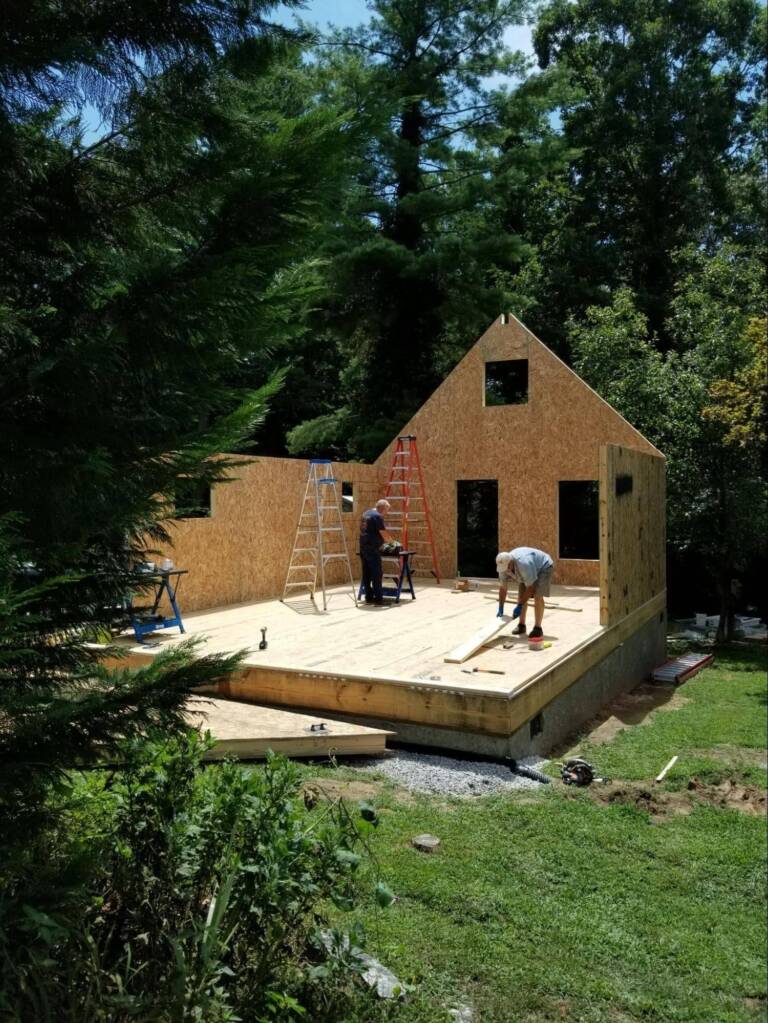
SIPs ship as flat panels and are assembled on site. That gives you and your builder a clearer view of the structural shell, delivery needs, and installation path. It also makes the quote easier to compare with the full project rather than just the lowest starting number.
Before you compare prices, compare scope. A cheaper quote may still be the right choice, but only after both quotes include the same categories of costs as the quote beside it.
Four Assumptions That Lead Buyers Off Course

Online comparisons often lump SIPs and modular homes together because both involve off-site manufacturing or "prefabrication."
Operationally, however, the two building systems solve construction challenges differently.
For example, SIPs ship as panels and are assembled on site.
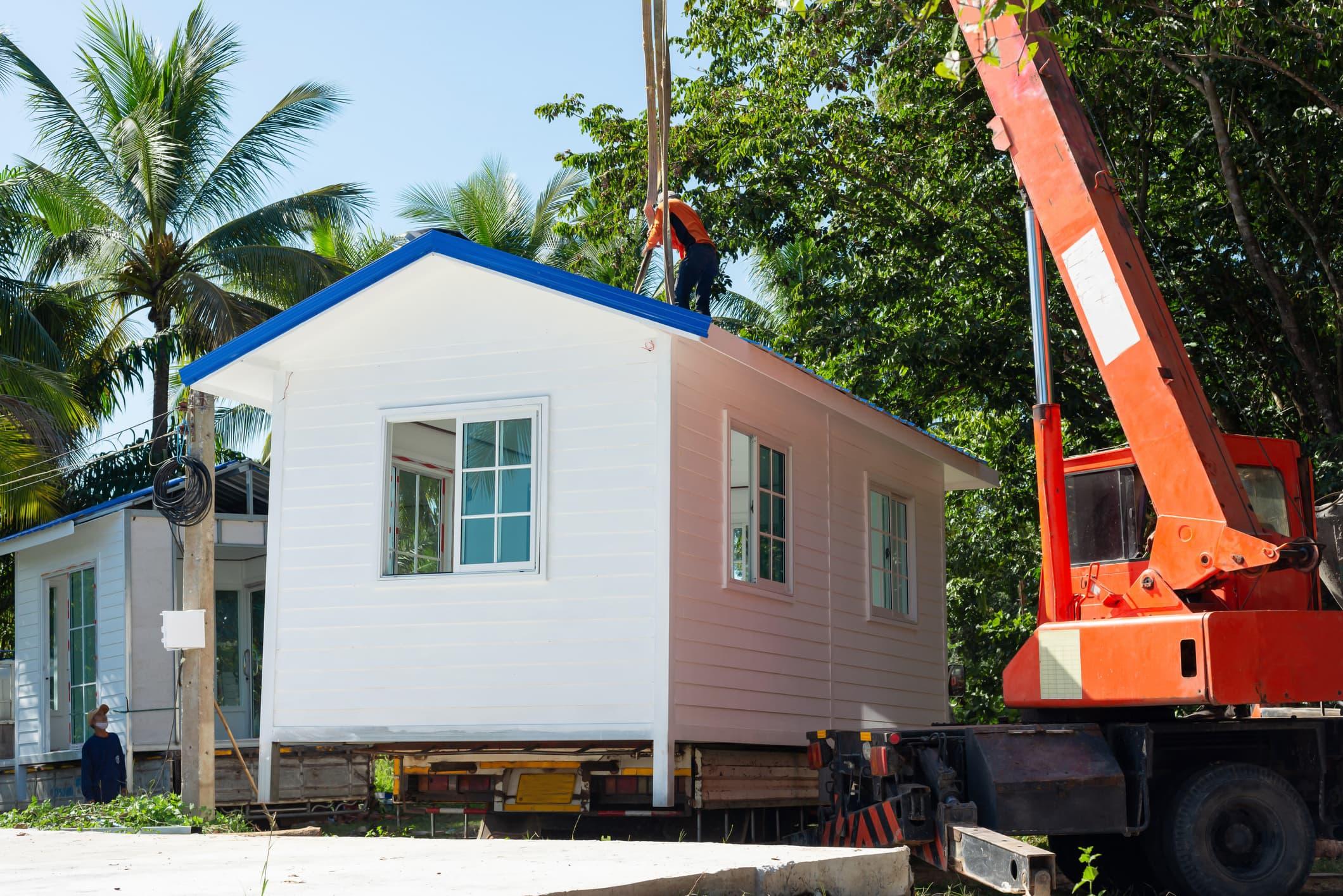
Modular homes, meanwhile, ship as large, finished sections that must be delivered, lifted, joined, and completed.
Those differences alone affect project scheduling, access, performance, and costs.
Assumption 1: "Modular is always faster."
Factory production can be fast, but move-in speed depends on more than factory time. Your site must be ready. The delivery route must work. Crane scheduling, utility connections, inspections, and finish work still affect the timeline.
That does not make modular construction slow. It means the timeline extends beyond the factory window, often highlighted in sales conversations.
Assumption 2: "SIPs are experimental."
SIPs may be less familiar to some buyers, but they are not new. They have been used in residential construction for decades and are well understood by builders focused on high-performance building envelopes.
A SIP uses an insulated foam core between layers of Oriented Strand Board (OSB). Once installed, the panels form the home's walls and roof.
For buyers comparing SIPs vs. modular construction, the difference is practical. SIPs support strength, efficiency, and a tighter building envelope without forcing the home into large transportable sections.
Assumption 3: "Energy efficiency performance is roughly equal."
The building envelope plays a major role in how well a home holds conditioned air. SIPs and modular homes do not create that envelope in the same way.
SIPs form a continuous insulated shell. Modular homes rely on large sections joined together on site, and those connections require careful air sealing. If sealing is inconsistent, conditioned air can escape more easily.
For homeowners, the difference can affect comfort, heating and cooling costs, and long-term energy use.
Assumption 4: "The lowest quote is the best starting point."
The lowest quote may simply mean fewer costs are included. That can make one build method look more cost-effective before the full project has been valued.
For a fair and honest comparison, each proposal must account for the structural package, site work, delivery, equipment, utilities, and completion costs.
A useful quote outlines what is included, what is excluded, and what still needs to be done before the home is livable. Without that detail, you are comparing fragments instead of full project costs.
Energy Performance Comes Down to the Envelope
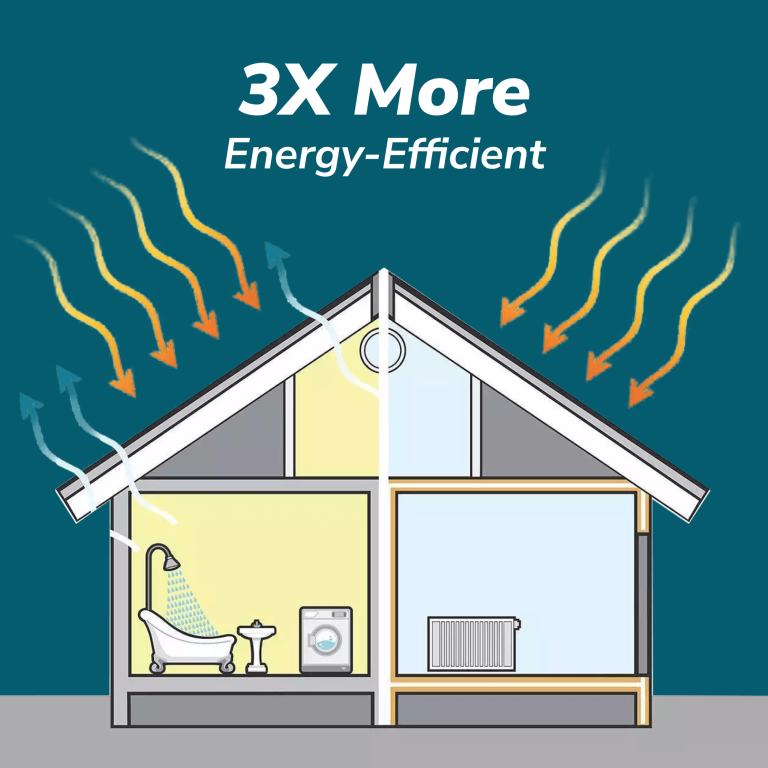
Comfort starts with the shell. If the envelope loses heat, leaks air, or contains weak points around framing and joints, the mechanical climate system has to work harder.
SIPs create a tight wall and roof system with fewer interruptions through insulated areas. This helps the home maintain indoor temperature with less wasted energy.
R-value measures resistance to heat flow. Thermal bridging happens when heat moves through framing or connection points instead of insulation. Air Changes per Hour at 50 Pascals (ACH50) measures air leakage under pressure.
SIPs help keep the insulation layer more consistent and reduce areas where air can escape when panels are sealed properly. Modular homes can also perform well, but the connections between modules still require careful sealing.
The difference often becomes more noticeable after move-in. Lower heating and cooling demand can continue to return value over the life of the home.
Some Sites are Not Built for Modular Home Delivery
A construction method has to work with the property itself. Modular homes arrive as large, finished sections, so when building one, site access matters as much as the house design.
A rural lot may feature narrow drives, low-hanging branches, soft ground, or roads that cannot easily accommodate wide loads. ADU projects may face fencing, nearby homes, overhead power lines, or limited backyard access. Infill lots can leave little room for staging or crane setup.
These conditions are common in small-footprint projects and can affect both cost and scheduling for modular builds.
SIPs give your builders more flexibility around those constraints. Panels ship flat, move more easily, and are assembled on site. The project still requires a prepared foundation and a capable crew, but it does not depend on placing large finished volumes onto the property.
By checking the site before you choose the building system and assembly method, you can prevent expensive adjustments to the project later.
Modular Construction Limits Design Flexibility
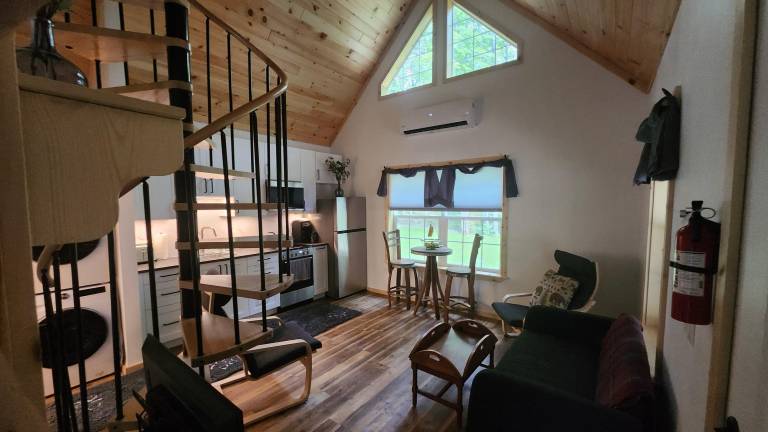
Modular design starts with transportation limits. That affects layout, roof form, connection points, and section width before customization even begins.
Many modular sections stay within transport widths of roughly 14 to 16 feet. Wider layouts may require additional modules, which can increase seams, coordination, and cost.
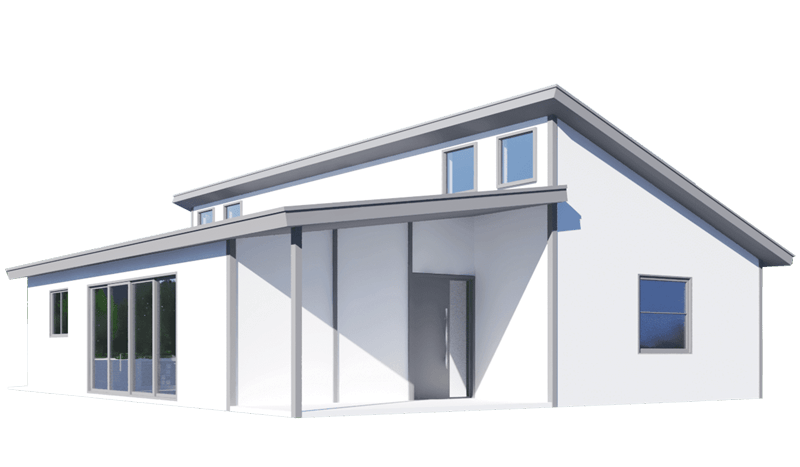
For straightforward layouts, modular construction can work well. More complex designs, open living areas, shed roofs, covered porches, or lot-specific layouts may introduce additional constraints.
SIPs approach the project differently. The panels arrive flat and are assembled on site, giving builders more flexibility with layouts and roof shapes.
This flexibility helps the design fit the site, rather than forcing the site to fit the delivery method. It also reduces the need to divide the design into multiple large sections to make it transport-ready.
That difference matters when you want to design a smaller home that still feels open, perhaps an ADU built around an existing property, or a repeatable investment model that must adapt to different lots.
Extreme‑Weather Performance and Structural Strength

SIP construction delivers a level of tested strength that goes beyond the minimum standards modular homes must meet.
SIP assemblies are engineer-tested for wind loads up to roughly 150 mph and show meaningful resistance to flying debris, which is critical in hurricane and tornado‑prone regions where impact damage causes most structural failures.
The continuous panel structure creates fewer weak points and distributes loads more predictably than multi‑module seams.
These advantages matter for ADUs on tight lots, vacation homes in the mountains, and rural properties exposed to high winds or severe storms.
SIPs form a unified shell that performs consistently under pressure, while modular homes rely on code‑minimum assemblies designed primarily for transport and placement.
For buyers building in regions with increasing storm intensity, SIPs offer a stronger baseline of protection and a more resilient long‑term envelope.
The Cost Picture Only Works When It's Complete
SIPs can appear more expensive at first glance. A high-performance shell will not always produce the lowest opening number. The more useful question is whether the quote reflects the full project.
For an 800- to 1,000-square-foot home, a modular quote may look attractive until you factor in foundation timing, delivery logistics, crane access, site constraints, finish work, and long-term operating costs.
With modular construction, additional costs often arise late in the process, including delivery, access requirements, site preparation, and post-delivery finish work. With SIPs, more of the cost tends to appear upfront in the kit and installation plan.
A modular home’s cost breakdown should show what happens before and after delivery. A fair SIP comparison should show the same level of detail, including installation, site work, finish work, and long-term energy performance.
SIPs are not automatically the lowest-cost option in every situation. They can become a better fit when buyers care about total project cost, long-term efficiency, site flexibility, and design freedom, rather than just the first quote.
Overlooked Modular Home Costs
- Crane requirements: Mandatory for setting modules in place
- Wide‑load delivery: Escorts, routing, staging
- Access remediation: Tree removal, fence removal, temporary surfaces
- Site preparation: Grading, access pads, crane pads
- Utility hookups and inspections: Electrical, plumbing, HVAC, trenching, local approvals
- Post‑delivery finish work: Drywall seams, alignment, exterior tie‑ins
- Transport‑driven design changes: Extra modules or altered layouts
- Potential set‑day delays: Weather or scheduling pushing crane and crew costs
- Post‑delivery corrections: Adjustments after modules settle
- Energy performance gaps: Higher heating and cooling demand over time
Making a Better Decision Starts Before the Quote
SIPs and modular homes are different systems, not interchangeable versions of the same product. Comparing them only by starting price often leads buyers to the wrong conclusion.
Instead, start with the site. Then evaluate the performance you want from the home. Then look at the design requirements. Once those pieces are clear, the quote comparison becomes much more real.
This approach protects your budget. It helps pre-identify site access issues, ongoing heating and cooling costs, and home design limits before they increase the budget or delay the build.
Modular construction may work well for some projects. SIPs deserve a closer look when the site is tight, energy efficiency matters, or the design requires more flexibility than transport-based construction allows.
For buyers considering their next build, Mighty Small Homes offers SIP house kits in a variety of models that prioritize efficiency, structural performance, and practical flexibility. A useful comparison should show what is included, what still needs to be paid for, and how the home is likely to perform after move-in.
Considerations
- Check site conditions: Access and delivery determine feasibility
- Set performance priorities: Efficiency and comfort vary by system
- Confirm design needs: Layout and roof form may face transport limits
- Compare full scope: Structure, delivery, site work, and finish work must be included
- Review long‑term costs: Envelope performance affects lifetime energy use
- Assess modular site fit: Large sections require clear access and crane placement
- Assess SIP flexibility: Panels adapt more easily to tight or irregular lots
- Verify inclusions: Identify what is and is not covered in each quote
- Match method to goals: Choose based on site, performance, and design needs
A Clearer Way to Choose Your Build Method
SIPs and modular homes are not interchangeable. The right choice starts with the site, the performance you expect, and the design you need. Once those pieces are clear, the quote becomes far easier to trust.
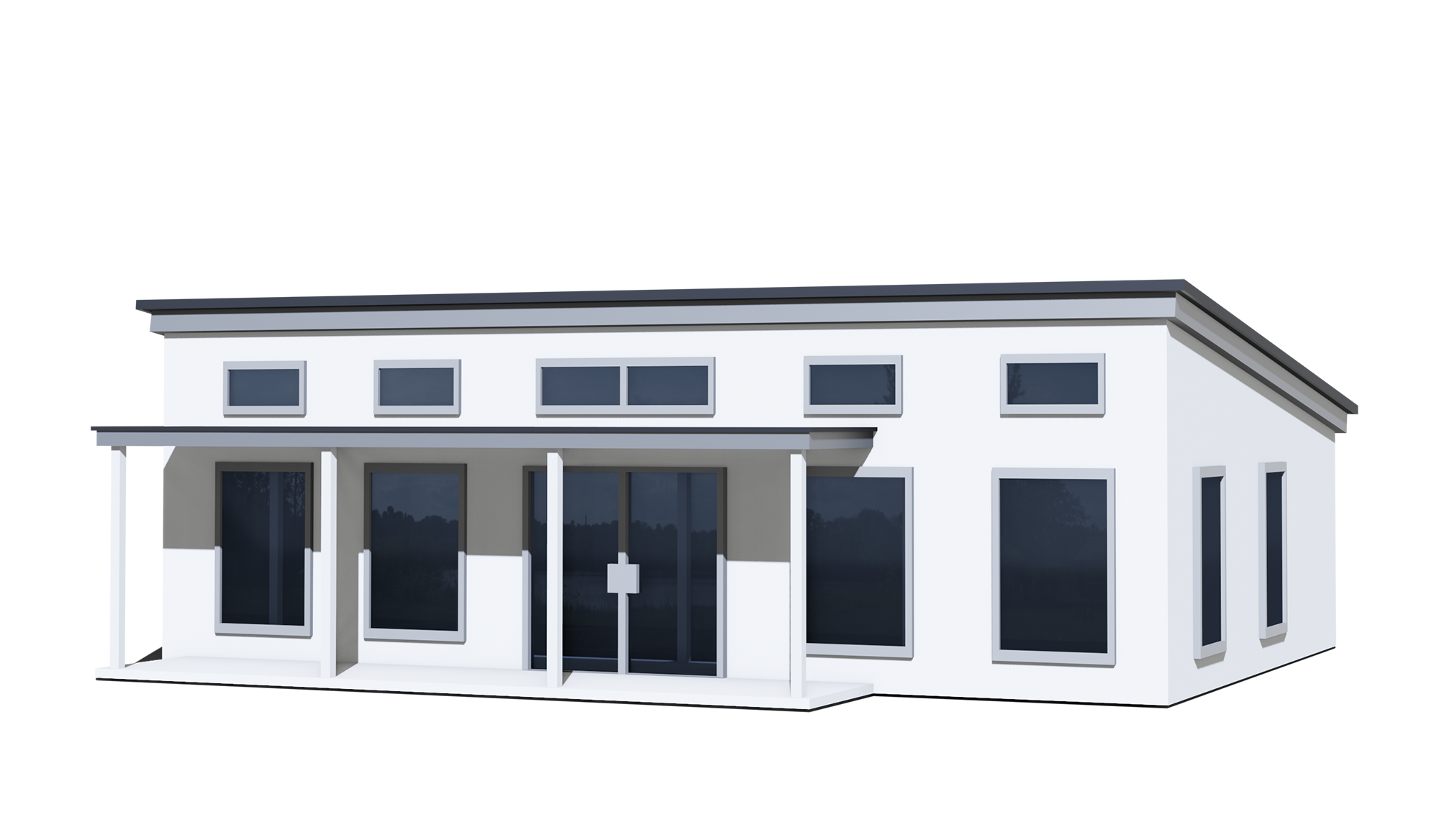
Most real‑world projects lean toward SIPs. Tight ADU sites, infill lots, wooded rural acreage, and mountain properties with narrow access all work against large modular deliveries. SIPs assemble on site, making them easier to place where modular simply cannot go.
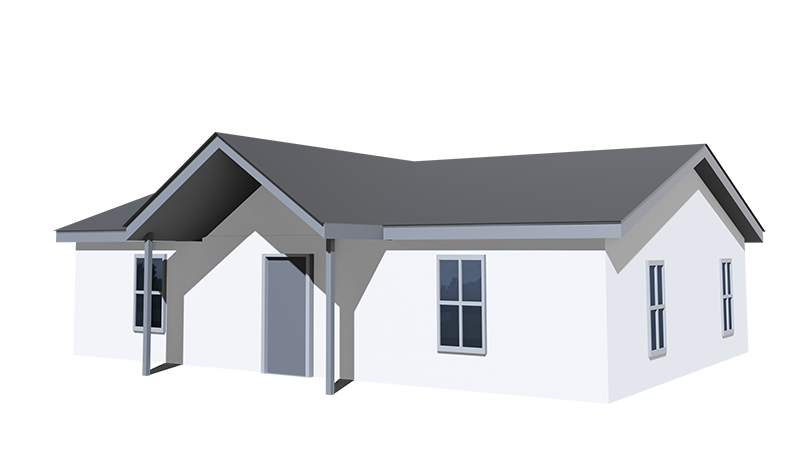
Performance and design follow the same pattern. SIPs create a tighter envelope and allow layouts and rooflines that are not restricted by transport widths. Modular can work on straightforward sites, but SIPs solve more of the constraints buyers actually face.
A complete comparison shows what is included, what is not, and how the home will perform after move‑in. That clarity protects the budget and the build.

FAQs
Factory time is only one part of the schedule. Modular delivery depends on route access, crane scheduling, site readiness, inspections, and finishing work after the modules are set.
SIP assembly happens on site with flat‑shipped panels, which avoids wide‑load logistics and can reduce delays tied to access or crane availability. Modular can be fast, but only when the site and logistics cooperate.
No. SIPs form a continuous insulated envelope with fewer thermal breaks and lower air leakage when installed correctly. Modular homes can perform well, but the module-to-module seams require careful sealing to prevent air leakage. Over time, the difference in energy efficiency shows up in comfort, heating and cooling demand, and long‑term operating cost.
SIPs are not new. They have decades of use in residential construction and are widely adopted in high‑performance building. A SIP panel is simply OSB skins bonded to an insulated core. The difference is practical: SIPs create the structure and the envelope in one system, without forcing the design into transport‑sized boxes.
Modular homes arrive as large finished sections that must be delivered, staged, and craned into place. Narrow drives, tight urban lots, overhead lines, soft ground, or backyard ADU locations can add cost or make delivery impossible.
SIP panels ship flat and move easily through constrained sites, giving builders more flexibility and reducing access‑related surprises.
Modular design starts with transport limits, typically 14–16 ft widths, before customization even begins. Open spans, shed roofs, porches, and lot‑specific layouts may require extra modules, seams, or cost. SIP-based designs, meanwhile, avoid transport constraints, allowing the home's layout and roof form to follow the site rather than the highway.