How to Build a Small House Kit: Codes & Building Permits
Building your own small home is exciting. You’ve picked the perfect kit and can already picture living in it. But one big hurdle stands in the way: building permits. Navigating the maze of permits and building codes for small houses can feel daunting, especially for a DIY builder. Yet understanding these residential building permit requirements is as crucial as laying a solid foundation.
Yes, the process can be complex, with paperwork, plan reviews, and even some waiting and uncertainty. However, by preparing and educating yourself, you can avoid delays and move forward with confidence.
Remember, every bit of “red tape” you tackle now is there to ensure your small house kit is safe, sound, and legal for the long run.
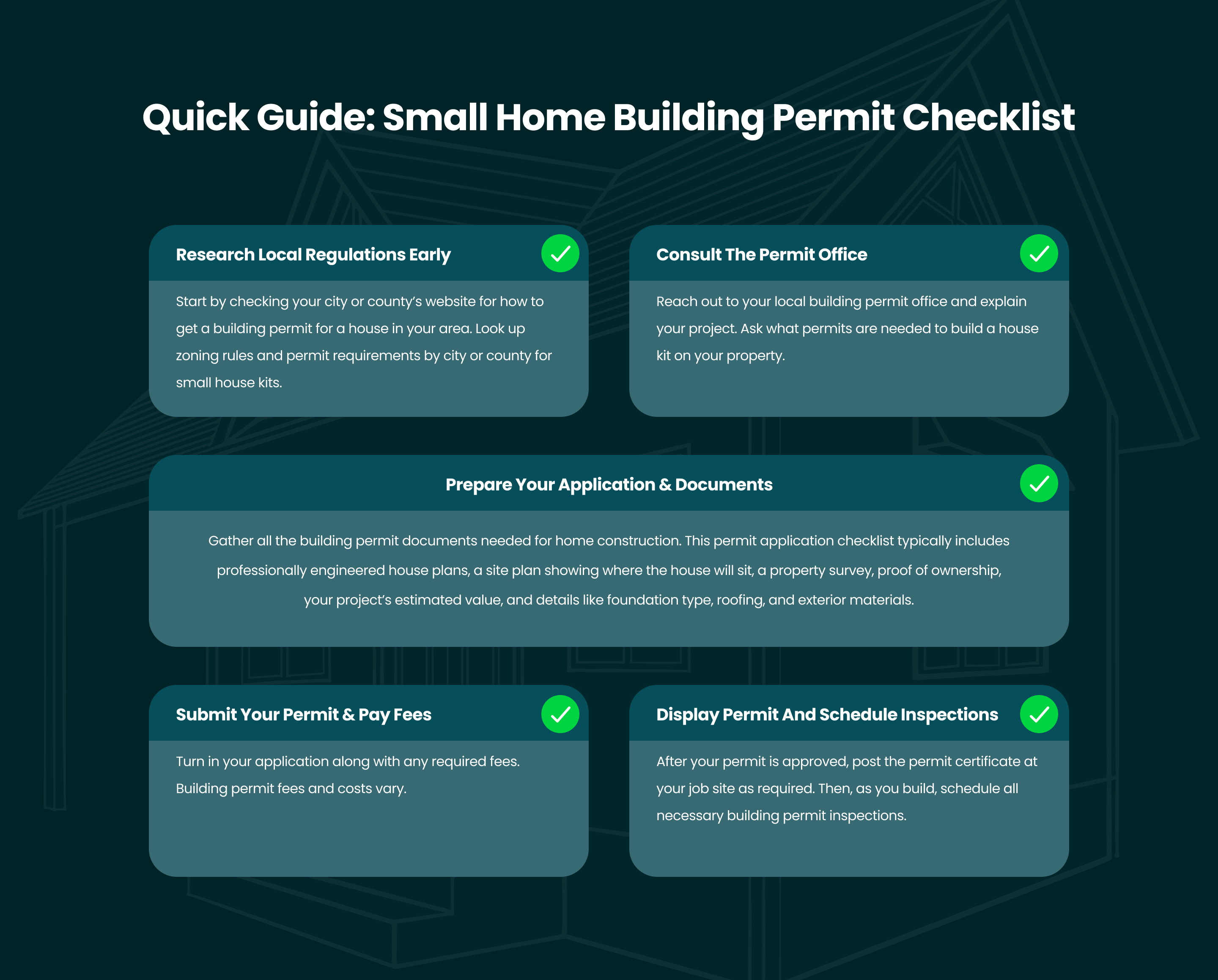
By following these steps, you’ll validate that your project is on solid legal ground and keep your small house kit building permits journey as smooth as possible.
Why Are Building Permits Required?
Building permits protect homeowners and the community by ensuring construction meets safety, zoning, and code requirements. They exist to keep homes structurally sound and properly built for local conditions.
Ensuring Safety, Quality, and Code Compliance
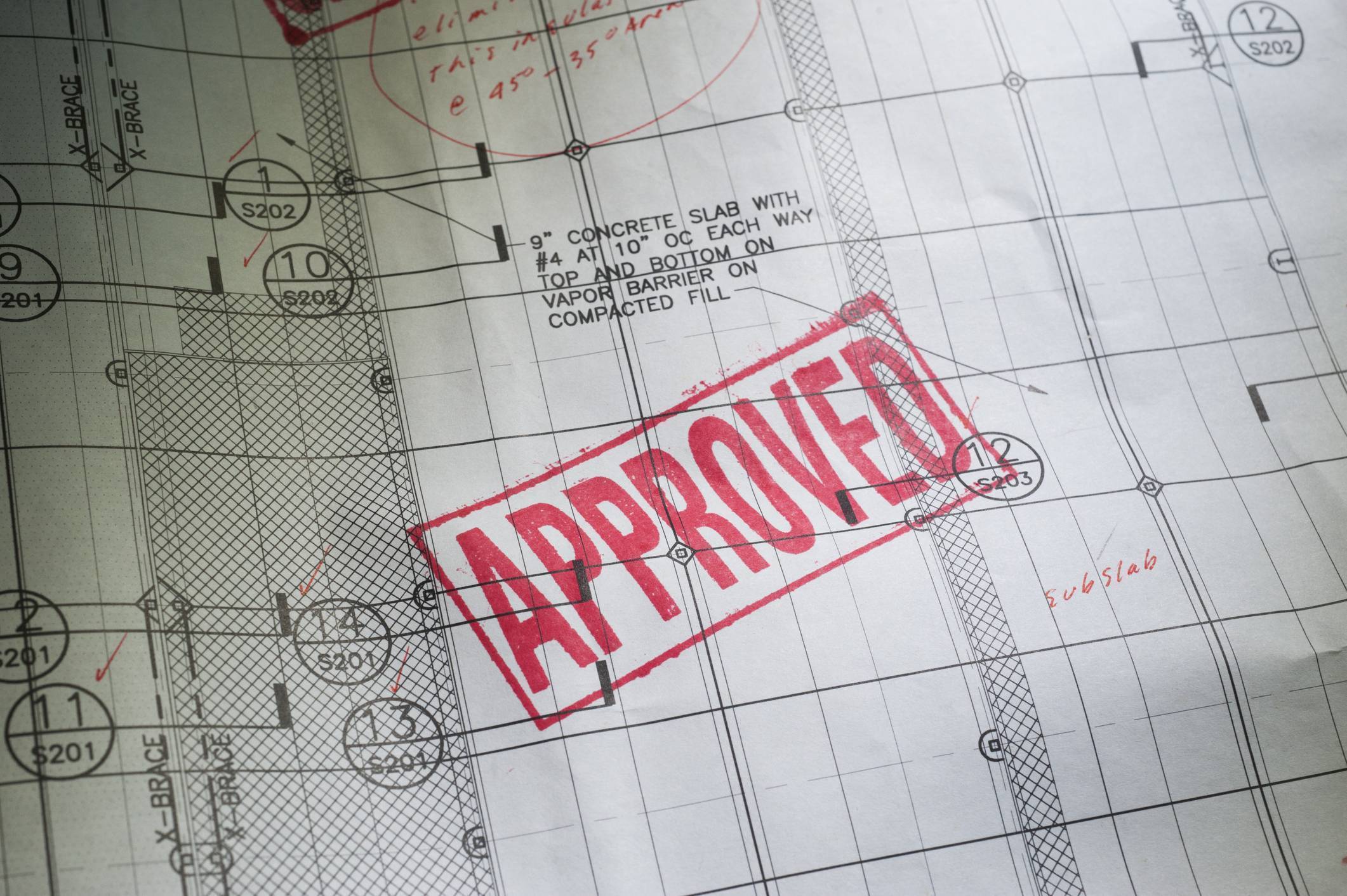
Building permits provide official approval that your small house kit meets required safety and code standards.
Authorizing construction of a new home ensures the project’s plans, materials, and building methods comply with residential building codes and zoning laws.
In simple terms, a permit is the city’s confirmation that your home will be structurally sound, safe to live in, and properly located on the land.
This protects you and any future owners by upholding the standards of the residential building industry.
Supporting Community Standards and Preventing Issues
Permits also benefit the community as a whole through standardized construction practices. Proper grading and drainage, for example, prevent water runoff from flooding a neighbor’s property or overwhelming local storm sewers.
These rules may feel like a hassle, but they keep neighborhoods safe and prevent conflicts between property owners.
Addressing Local Climate and Regional Requirements
Building codes often reflect local environmental challenges. Zoning and building regulations for small house kits can vary by region and climate.
A kit home in a snowy Colorado mountain town may require a reinforced roof for heavy snow, while a coastal Florida home must meet strict hurricane-force wind resistance standards.
Understanding Specialty Permits and Additional Inspections
Beyond the general building permit, you may need specialty permits and inspections for specific systems.
These can include separate electrical, plumbing, or mechanical permits, a grading permit, a septic permit if you’re not on city sewer, or even a fire protection permit for a sprinkler system.
While it may feel like extra hoops to jump through, each permit requirement exists to ensure that every part of your new home is safe and up to code.
Read: Why MEP Plans are a Good Idea
Accounting for Local Amendments and Unique Requirements
While many building rules are universal, local authorities often add amendments to address local conditions.
Every city or county can have its own twist on the code, such as extra seismic rules in earthquake zones or special permits in historic districts.
This is why researching permit requirements by city or county is so important. What’s allowed in one place may not be the same in another.
What Is the Building Permit Process?
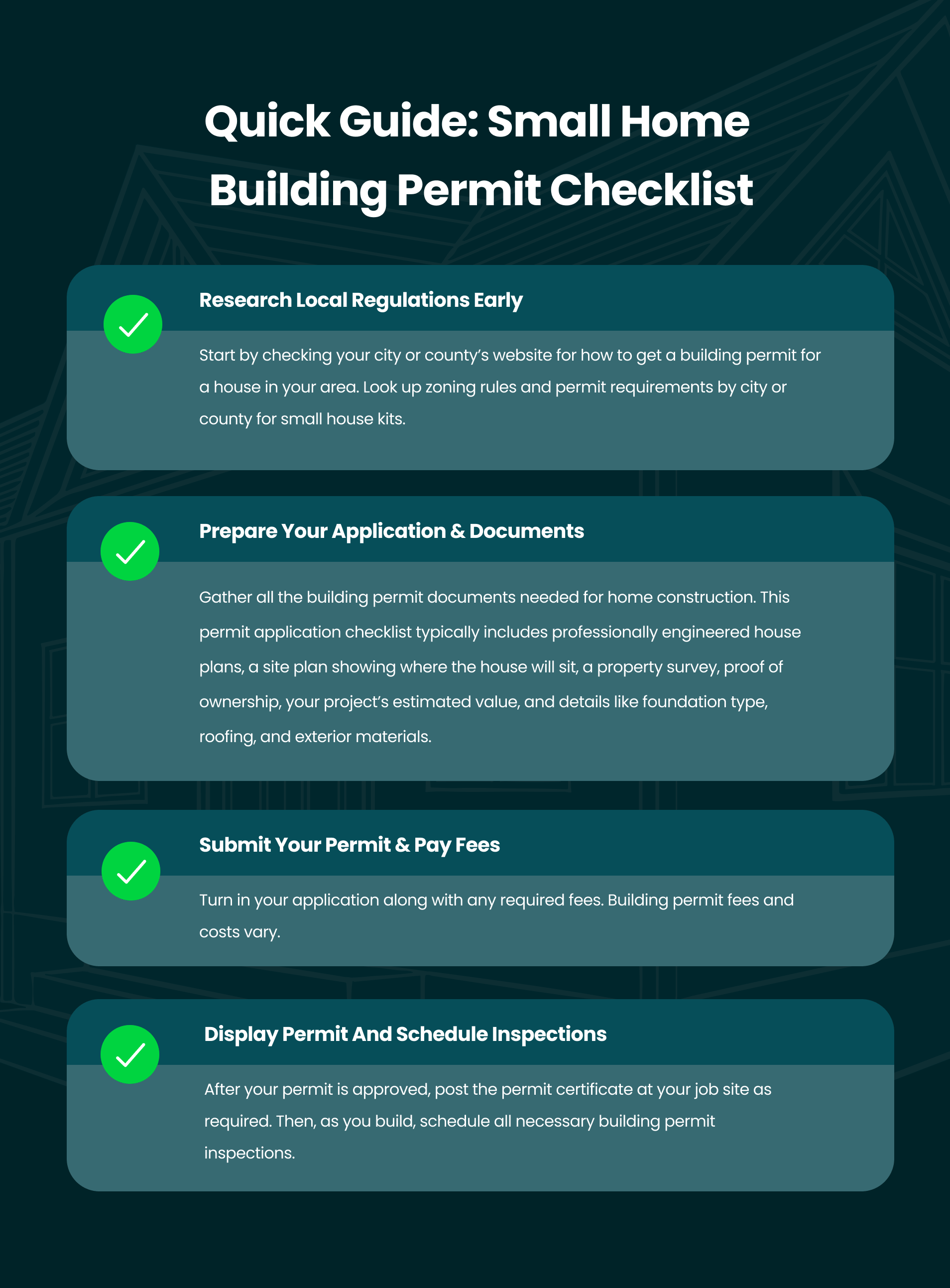
Getting a building permit might not be the most thrilling part of constructing your small house kit, but approaching it step by step will make it manageable.
Here’s an overview of how to get a building permit for a house kit project, from initial research to final approval.
Do your research online
The permit process actually begins before you fill out any forms. Start by learning the rules that apply to your specific build.
A great first step is an online search. Try googling “get a building permit in [Your City] [Your State]” to find your local permitting department’s guidelines.
Most local governments have websites or FAQ pages that outline their process and list application requirements.
Consult your local building department
After arming yourself with online info, it’s wise to talk directly with the people who will issue your permit.
Every city and county does things a little differently, so a brief conversation with a local building permit office representative can save you from headaches down the road.
Give them a call or visit in person. Explain that you plan to build a small house kit and tell them where you intend to build. Ask which specific permits you’ll need for your project.
Common Names for Building Permit AgenciesThese agencies may vary in name depending on the city, county, or state, but all generally handle the review, approval, and issuance of building permits as part of municipal or regional governance. |
|
|
|
Prepare and submit your permit application
Now comes the paperwork. You’ll need to assemble a packet of documents and forms for your permit application. Think of this as compiling the blueprints of compliance. The typical building permit documents needed include:
- Building Plans (Blueprints)
- Site Plan
- Survey and Title Deed
- Project Details & Forms
Double-check with your local checklist to make sure you haven’t missed anything. It’s a good idea to organize this packet neatly. Some offices appreciate multiple copies or electronic submissions, and follow their instructions.
When everything is ready, submit the application with the fee. Building permit costs for small homes typically fall in the range of a few hundred to a couple thousand dollars, depending on local fee schedules and your home’s size/value.
Permit issuance, construction & inspections
When your permit is approved, congratulations. You’ll either get a call or an email to pick up the permit documents or, if online, you can download them.
Now make sure to post the permit prominently at your job site. This shows any inspector or neighbor that your project is officially authorized.
With a permit in hand, you can start building according to your plans.
Throughout this journey, keep in mind that your local building officials are there to help you succeed. Stay polite and proactive in communicating with them.
By following the process diligently, you validate your DIY home building project in the eyes of the law and set yourself up for a smooth build. With permits and inspections handled, it's easier to keep the build on track.
What Permits Are Needed to Build a Small House Kit?
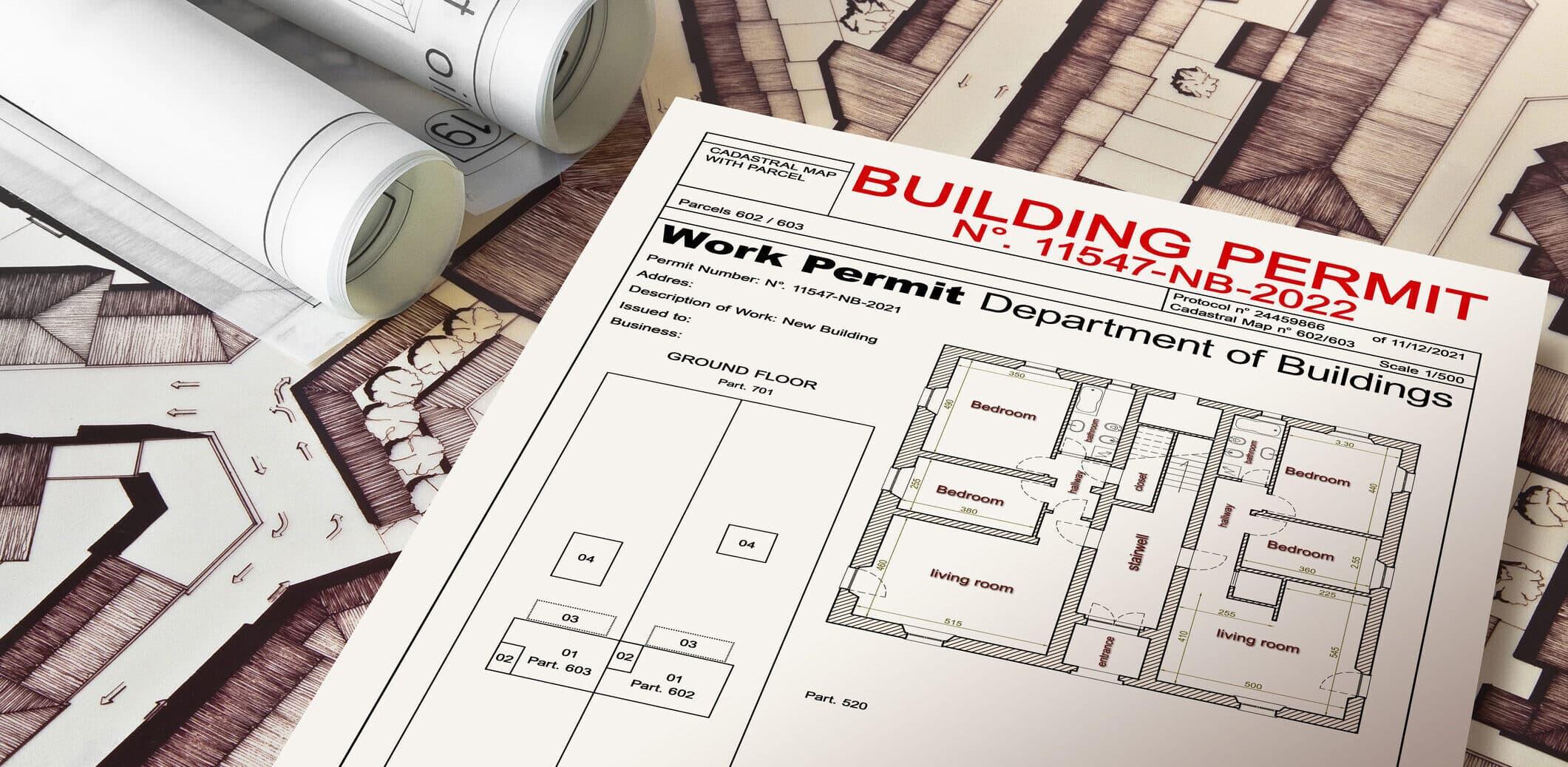
One question we hear a lot is: “Exactly which permits do I need for my project?” The answer can vary based on where you live, but there are common categories of permits for any house construction. A small kit home isn’t exempt from the usual residential building permit requirements.
You should be prepared for multiple permits covering different aspects of the build. Here are some that a small home project often entails:
Building Permit |
The main permit covers the overall construction of the house. This is the centerpiece permit that triggers the inspection process and ultimately allows you to construct the dwelling. |
Electrical Permit |
Required for all the electrical wiring and installations in the house. |
Plumbing Permit |
Needed for installing plumbing systems. This ensures your bathrooms, kitchen, and any other plumbing features are installed safely and correctly. |
Mechanical Permit |
Covers heating, ventilation, and air conditioning (HVAC) systems. If your house kit uses a ductless mini-split system, for example, that would fall under this. |
Grading or Site Work Permit |
Many areas require a permit for earth-moving activities, such as grading the lot, installing drainage, or building driveways. This is to ensure proper erosion control and that water runoff is handled without impacting neighbors. |
Septic Permit (or Sewer Permit) |
If your small home will use a septic system, you’ll need a permit from the health department or environmental agency to install it. They will review your septic design and perform percolation tests on the soil. |
Other Special Permits |
Depending on circumstances, there could be additional permits. For instance, if you’re demolishing an old structure on the property, a demolition permit is required. |
If your property is in a floodplain or coastal area, you might need flood zone permits or extra documentation. Building in a wildfire-prone region?
Some places require a fire department review or a fire sprinkler permit for new homes. And if you plan to build an accessory dwelling unit (ADU) as a backyard cottage, be aware that many cities treat ADUs with their own set of permits and rules.
Keep in mind that along with these permits, each comes with its own inspections. However, you typically apply for them around the same time as part of your overall project. The forms are often combined, or the building department will guide you through the sequence.
“It’s my property—I can do what I want”
It’s a free country, but not exactly. Over time, neighborhoods have adopted reasonable regulations, known as setbacks, to create a fundamental structure for safety, privacy, and environmental protection. Imagine a street with a home built right on the front property line. That would create a safety issue.
It’s always a good strategy to confirm with the building official exactly which permits apply to your case. Permit requirements by city or county can differ widely.
For example, one area might include the electrical and plumbing sign-offs within the main building permit, while another area insists on separate permits for each trade.
When you talk to your local office, make a list: one box for each permit type you need to obtain. That way, nothing falls through the cracks.
Also, be prepared for additional reviews or approvals outside the building department.
Often, getting your building permit means you’ve satisfied the building code division, but you may still need a sign-off from other authorities: the utility company or water department, the public works department, the health department, or the fire marshal.
The building officials should tell you if any such external approvals are needed during permitting. It might feel like extra hoops, but each is important for a specific aspect of your build.
ADU Backyard Building
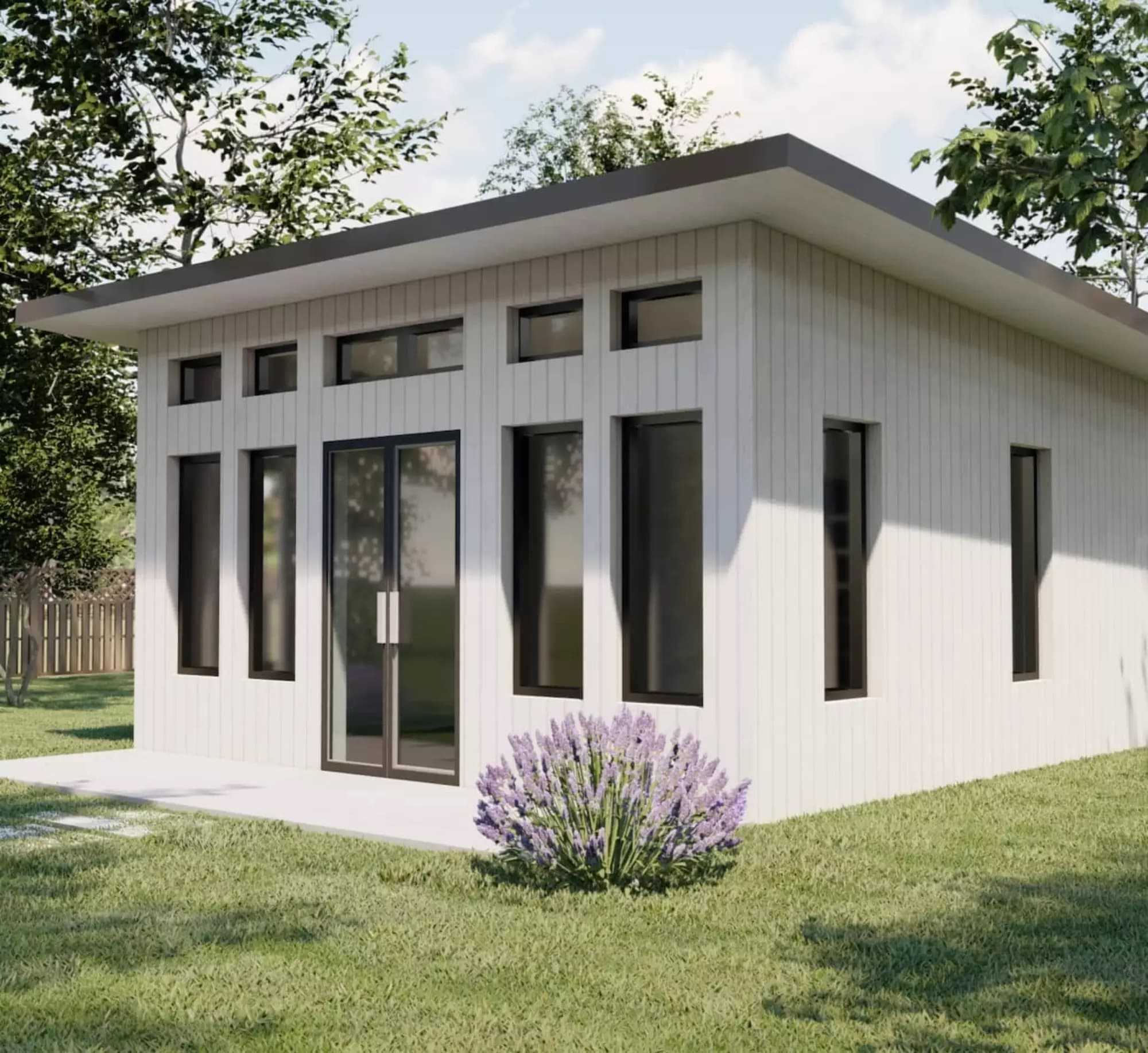
If you are building your small house kit as an accessory dwelling unit (ADU), make sure to research your local ADU regulations.
Many places have strict zoning rules on ADUs. You will still need a building permit for the ADU, just like any other house, but you might also need a special zoning clearance or conditional use permit before the building permit can be issued.
For example, a city might allow ADUs up to 1,000 sq. ft. that meet certain height and setback requirements.
If your kit falls under this category, treat the zoning step as part of your permit process so there are no surprises.
Bottom line: Identify all the permits and approvals required early, and your path to breaking ground will be much smoother.
How Much Do Building Permits Cost?
The honest answer: it depends on your location and the scope of your project.
Most jurisdictions charge fees to cover the plan review and inspection services they provide.
For new residential construction like your small house kit, building permit fees typically run in the hundreds to low thousands of dollars.
Nationally, the average cost for a building permit on a single-family home is around $1,300, but it can range from under $500 in some rural areas to $2,000 or more in expensive urban areas.
Typical Cost Ranges & Factors That Influence Price
Several factors influence this fee. Many building departments use a fee schedule based on the size or value of the home. For example, they might charge:
- A base fee plus an amount per square foot of living space, or
- A fee calculated as a percentage of total project value, commonly 0.5% to 2% of construction cost.
So if you’re building a smaller home, you might pay less than someone constructing a large house, but there’s usually a minimum fee that every project must pay. As a ballpark:
A very small house (300–500 sq. ft.) may see fees closer to a few hundred dollars.
- A mid-sized kit home often falls in the ~$1,000 range.
- In major cities, fees may be higher due to surcharges for plan review, processing, or impact fees.
Examples of How Permit Fees Are Structured
Common fee structures
- Base fee + per-square-foot cost
- Percentage of project valuation
- Tiered fees based on home size or construction type
- Additional surcharges (plan review fees, technology fees, impact fees)
Some cities even offer online fee calculators or publish schedules so you can estimate costs before applying.
Potential Additional Costs
It’s also worth noting that each individual permit may have its own fee. While the building permit covers the main structure, add-on permits often include:
- Electrical permit
- Plumbing permit
- Mechanical/HVAC permit
These smaller permits can cost anywhere from $50 to a few hundred dollars each, depending on the area. Additional related expenses may include:
- Paying a structural engineer or architect to stamp plans
- Hiring a surveyor for the site plan
- Fees for environmental reviews, impact studies, or septic evaluations.
Why These Fees Matter
While permit costs do raise your upfront budget, they’re an investment in your project’s success. They fund the plan reviewers and inspectors who help ensure your home is safe and up to code.
Having proper permits can save you money later. Without them, you could face fines or issues with selling or insuring your home. Many lenders and insurance companies require proof that the build was permitted.
Budgeting for Permit Costs
Plan for permit fees alongside materials and labor. For example, if you’ve set aside $80,000 for the entire build, earmarking a couple of thousand dollars for permits and related costs helps keep your project on track. If you end up spending less, great, but it’s wise to be prepared.
‘It’s My Property – I Can Do What I Want!’
It’s a free country, right? Many first-time home builders feel that since they own the land, they should have free rein to build anywhere, anyhow.
In reality, owning property comes with some reasonable restrictions.
Local laws impose rules about where on your land you can build and even how the house should look or function in some cases.
The intent isn’t to frustrate you, but to protect you, your neighbors, and the character of the community. Two important concepts in this regard are setbacks and easements, which often surface during the permit process.
Additionally, if your property is in a subdivision or governed by a homeowners association, there may be HOA restrictions or deed covenants that affect your project. Let’s break these down:
Setbacks
Think of setbacks as the invisible borders inside your property lines where building is not allowed. Just as margins on a page keep text from running edge-to-edge, setbacks keep structures from being too close to roads, sidewalks, or neighboring lots.
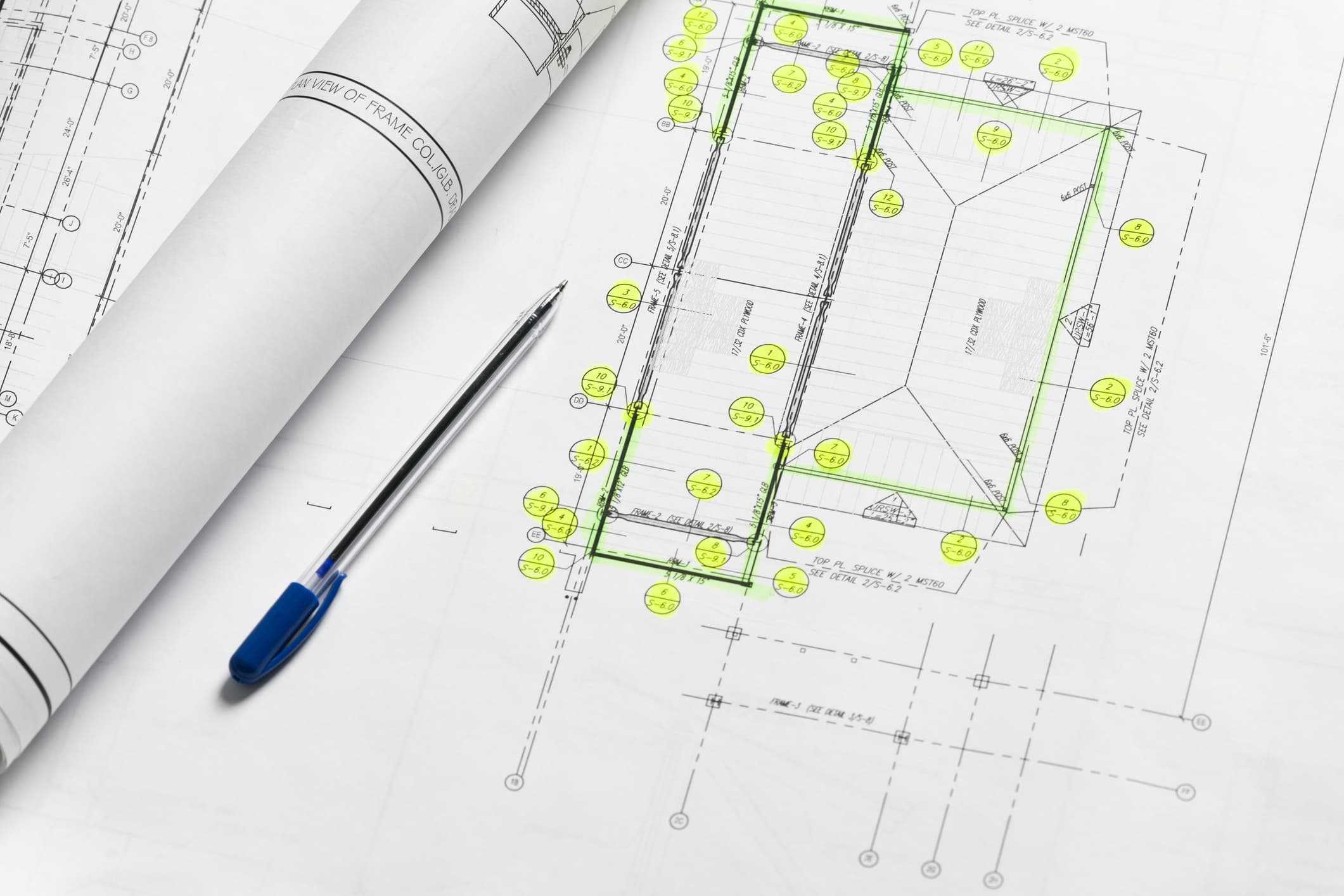
Every municipality sets its own setback requirements.
For example, you might encounter rules like “25 feet from the front property line, 10 feet from the back, and 5 feet from each side”. Setbacks exist for safety, privacy, and even aesthetic reasons.
They ensure, for instance, that firefighters have space to work around a house, that homes on a street line up in an orderly way, and that windows aren’t peeking straight into a neighbor’s living room 2 feet away.
When you apply for your building permit, you will typically need to submit a site plan or plot plan that shows your proposed house footprint in relation to the property boundaries.
Permit reviewers will check this carefully to confirm that your design respects all required setbacks.
If your small house kit is a tight fit on the lot, this could be a make-or-break factor, so validate the setbacks early. Before you even purchase a piece of land or decide which kit model to build, find out the setback rules for that property.
Most counties or cities list residential setback requirements on their website, or you can call the planning/zoning department to ask. Then measure your potential building area to ensure, say, that your 30-foot-wide cottage can indeed fit with, for example, 5-foot side setbacks on a 40-foot-wide lot.
It’s heartbreaking to fall in love with a house design and a lot, only to discover later that the combination violates setback rules. By planning ahead, you can avoid that disappointment.
Easements
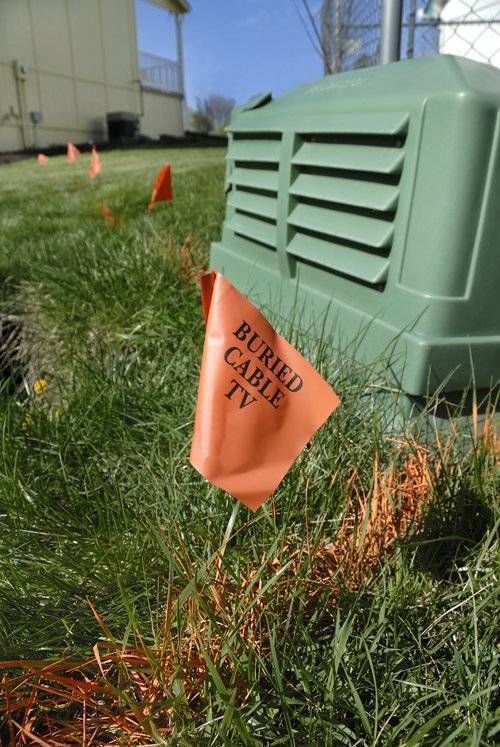
Utility easements, like this marked line for a buried cable, are common. You can still enjoy your yard, but you can’t build permanent structures on designated easement areas.
Easements differ slightly from setbacks. They deal with who has the rights to use certain parts of your property, rather than just how far your house must be from the edge.
An easement gives a third party a legal right to use or access a portion of your land for a specific purpose, even though you still own that land. One of the most common examples is a utility easement.
From a home builder’s perspective, the key point is: you generally cannot build on or over an easement.
That means if your survey or deed shows an easement cutting across the back 10 feet of your lot, you shouldn’t plan to put any part of your house in that zone.
The permit office will check this when reviewing your site plan, too.
Easements will usually be indicated on the official survey map of your property or described in the deed. Make sure to provide that information with your permit application, because the reviewers may need to see it.
HOAs and Deed Restrictions
If your small house kit will be built in a neighborhood with a Homeowners Association (HOA) or any form of deed restrictions, you have another layer of rules to work with.
These aren’t imposed by the city or county, but by private agreements tied to your property.
HOAs and deed covenants can dictate a surprising range of things: house size, style, exterior materials or colors, landscaping, fencing, and even where you can park cars.
The goal of these rules is typically to maintain a certain aesthetic or standard within the community.

For example, an HOA may require at least 1,200 square feet of living space, prohibit metal roofs, or insist that the exterior be painted in earth tones.
Some subdivisions ban secondary structures or ADUs altogether, or they might have restrictions on “modular” or kit homes.
It’s crucial to read and understand HOA covenants or deed restrictions before you commit to building.
If you’re purchasing land in a subdivision, request the HOA documents or deed restriction paperwork as part of your due diligence.
Look for sections on architectural controls or building requirements. Many HOAs require you to submit your house plans for approval by an architectural committee in addition to getting a city building permit.
This means even if the city approves your permit, the HOA could reject your design if it doesn’t meet their criteria.
Deed restrictions aren’t always in neighborhoods with formal HOAs; sometimes older areas or rural subdivisions have written rules like “no mobile homes,” or “house must be built on site,” or minimum square footage clauses. These could potentially affect a small kit home project.
For instance, if there’s a 1,000 sq. ft. minimum house size in the covenants, your 800 sq. ft. cottage kit wouldn’t qualify even if permits were approved by the county. Always verify these details.
The permitting office typically doesn’t enforce HOA rules. That’s up to the association. But as a homeowner-builder, you must satisfy both sets of requirements.
Consider the HOA’s approval as another kind of “permit” you need to obtain. Failing to comply can result in legal headaches or fines from the association, and it’s easier to plan ahead than to fight an HOA mid-build.
If your land is not in an HOA, breathe a little easier, you have more freedom in design. Just keep in mind that older neighborhoods or historic districts sometimes have overlay rules that act like deed restrictions.
Insurance Considerations During Building
Building a house kit is not only a major project, it’s a major investment. Just as you wouldn’t build without the necessary permits and inspections, you shouldn’t build without proper insurance coverage.
Types of Insurance Needed for Home Building
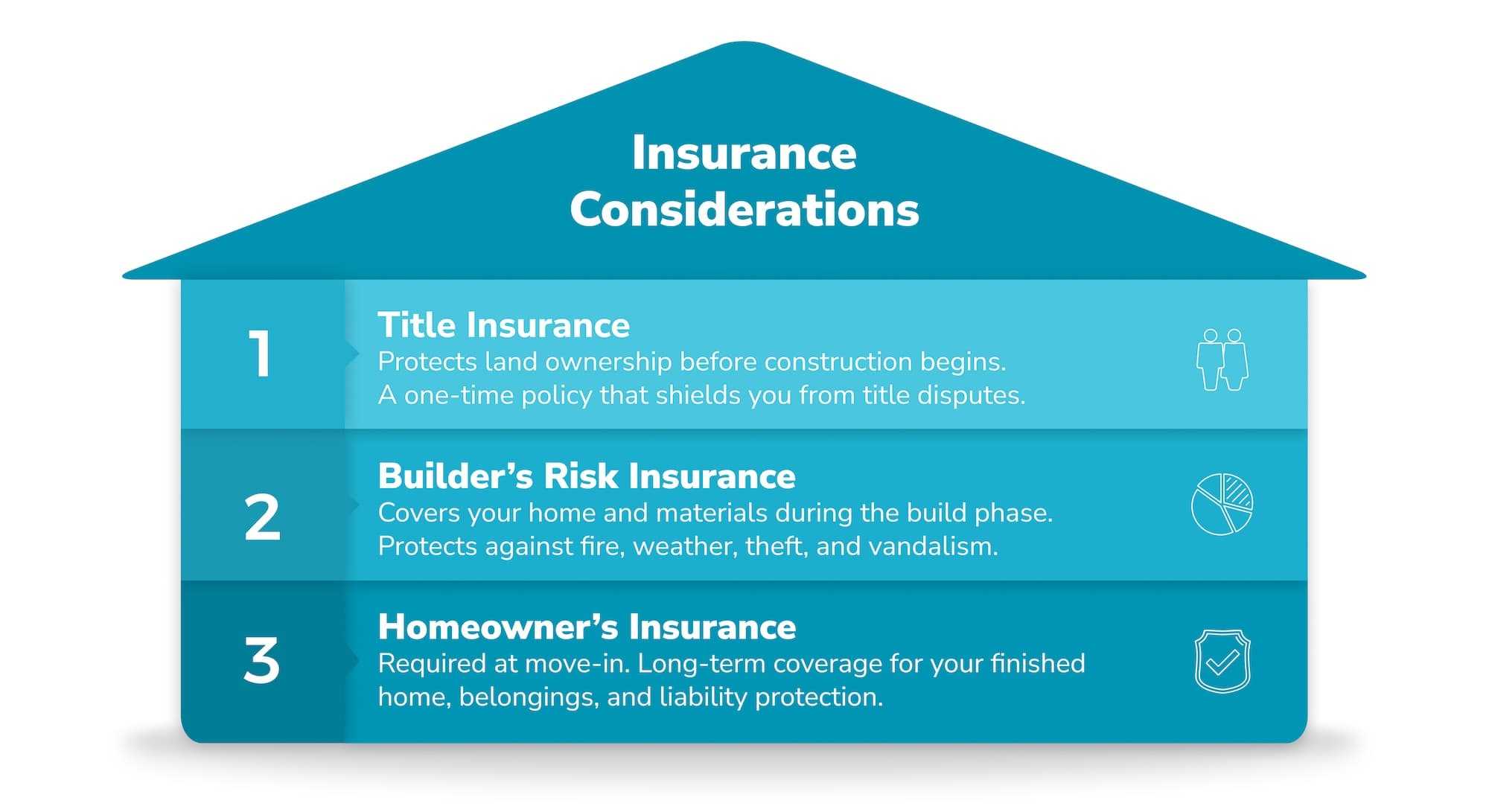
Title Insurance
Before construction even begins, you typically will purchase the land, unless you already own the property. When buying the land, it’s highly recommended to get a title insurance policy for yourself. This one-time purchase protects you from issues with the ownership of the land.
Builder’s Risk Insurance
Once you own the land and start construction, Builder’s Risk Insurance becomes crucial. Think of this as a special insurance policy that exists only during the build phase. A standard homeowner’s insurance policy won’t cover a house that’s under construction, so builder’s risk fills that gap.
It generally covers damage or losses to the house structure and materials during construction from a variety of causes such as fire, wind, hail, lightning, explosions, theft, and vandalism.
Homeowner’s Insurance
As your home nears completion, you’ll need to secure a homeowner’s insurance policy, the kind of policy that will protect your home after it’s built and you’re living in it.
In fact, if you have a mortgage or construction loan, your lender will typically require you to have a homeowner’s insurance binder in place before you move in. This insurance covers the finished home and often kicks in as soon as the house is ready for occupancy.
A standard homeowner’s policy covers the structure itself against things like fire, wind, hail, and other perils. It also covers your personal belongings inside the home up to certain limits, and provides liability coverage in case someone gets injured on your property and sues. Essentially, it’s the long-term protection for your investment and your family’s assets.
A Safe, Sound, and Successful Build
Building a small house kit involves a learning curve, especially when understanding the permits, inspections, and approvals required along the way. Planning ahead, verifying local rules early, and staying organized with documents and schedules will help the process move more smoothly and reduce the chance of delays or rework.
FAQs
Yes, most jurisdictions require permits even if you are building on your own land, especially for structures that will be used as residences or have mechanical/electrical components. Property owners intending to occupy a single-family residence often can obtain permits themselves, but they must ensure all work complies with zoning and building codes.
The number depends on your project scope, including foundation, electrical, plumbing, HVAC, and other specialty trades. Usually, one overall building permit is required, but separate trade permits might also be necessary depending on the work involved.
Building without permits can result in fines, required demolition or modification of unpermitted work, and complications in obtaining insurance or selling the property later. Authorities rigorously enforce permitting to ensure safety and compliance.
Yes, building a dwelling such as an ADU in your backyard typically requires a building permit. This permit ensures that your project complies with local zoning laws, building codes, and safety regulations. For example, in many jurisdictions like Nashville, TN, you must submit a detailed site plan and floor plan showing the size, location relative to property lines and the main dwelling, and compliance with setback and lot size requirements. Owner-occupancy and limitations on the number and size of ADUs on a property are often part of these regulations. Obtaining the appropriate permit is essential before beginning construction to avoid legal issues and ensure the structure is safe and approved.
Permit approval times vary based on location and project complexity, ranging from a few days to several weeks. Larger or more complex projects often require longer review times due to detailed plan examinations and possible consultations with multiple departments.
Yes, many jurisdictions permit property owners to pull their own building permits if they plan to act as the general contractor. However, they accept full responsibility for compliance with all codes and inspections throughout the construction process.
Permit fees are based on project type and size, often calculated as a percentage of estimated construction cost or per square foot. Typical fees can range from a few hundred to several thousand dollars, including fees for trade permits and inspections.
Generally, yes, especially if the project involves structural changes, electrical, or plumbing work. Minor projects like small sheds or decks may have simplified permit requirements or be exempt, but always verify with local authorities.
No, most jurisdictions prohibit any construction before permits are officially issued. Starting work without a permit can result in enforcement actions, fines, or the requirement to remove the work.
Yes, inspections are mandated at various stages of construction—such as foundation, framing, electrical, plumbing, and final—to ensure compliance with codes and safety standards.
Construction typically must comply with the International Residential Code (IRC) and any local amendments covering structural, electrical, plumbing, mechanical, and energy efficiency requirements.
Visit your city or county’s official government website to locate the building permit office information, application forms, permit portals, procedural guidelines, and contact details. Many jurisdictions offer online permit applications and status tracking.