How Small Homes Use Smart Technology
Essential Smart Features That Maximize Small‑Space Living
Smart home technology is changing how we live, and small houses are no exception. In small or prefab homes, smart tech provides outsized benefits. It maximizes convenience, energy efficiency, security, and comfort in a limited space. Small homeowners are increasingly adopting smart devices to simplify daily life, but their priorities vary.
Young first-time buyers, downsizers, retirees, vacation homeowners, and Airbnb hosts all have different needs. The right smart home features can address those differences, making small-space living easier and more enjoyable.
What Makes a Smart Home Essential for Small and Prefab Homes?
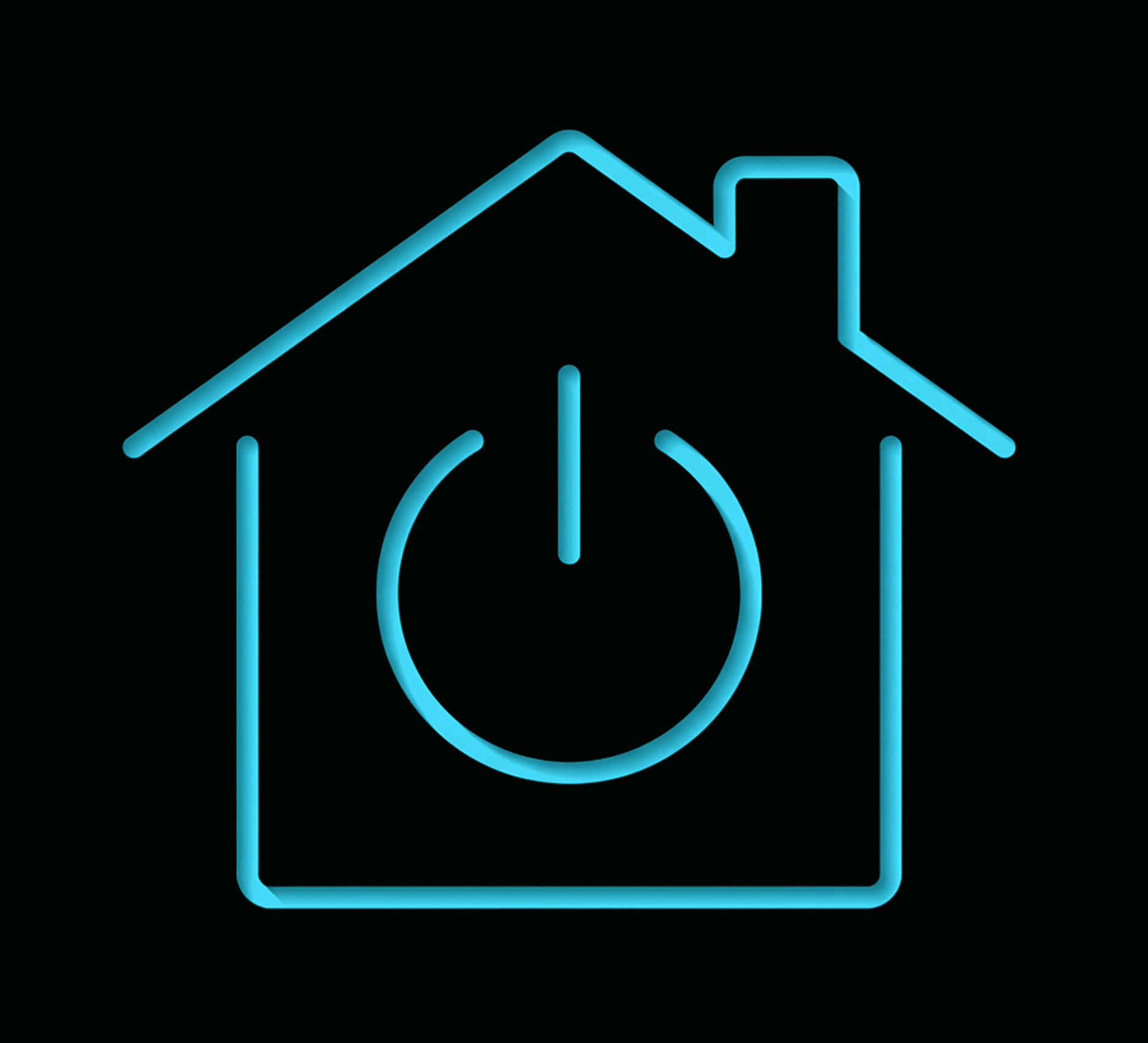
Smart devices can transform even a tiny house into a high-tech haven. Smart home hubs play a central role by unifying lights, locks, thermostats, and other systems into a single control center.
In a small home, where simplicity and space-saving matter most, centralized control reduces clutter and complexity.
Space and energy savings are another major advantage. Small homes must use every square foot efficiently, and compact smart appliances or multipurpose devices help avoid overcrowding.
Automation ensures systems aren’t wasting energy when not in use. Lights can turn off automatically when rooms are empty, and thermostats can adjust when the house is unoccupied. These small optimizations add up quickly in an energy-efficient home.
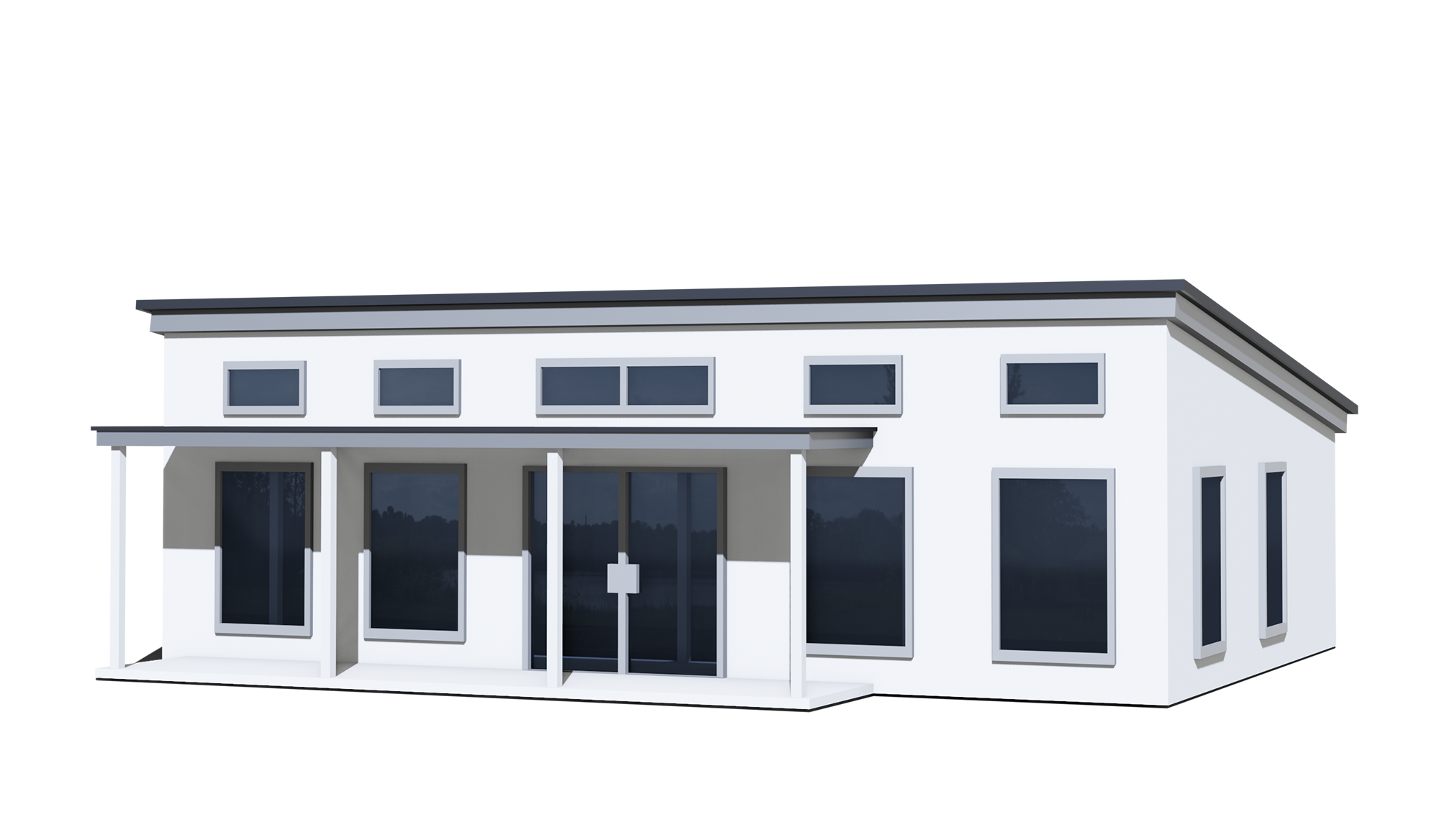
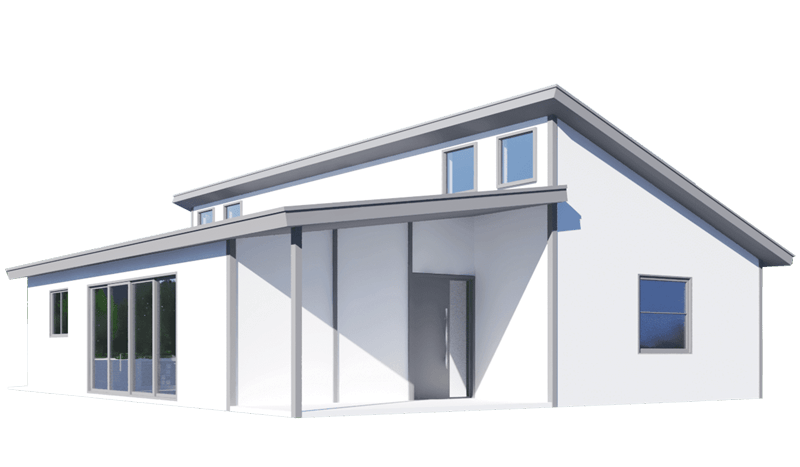
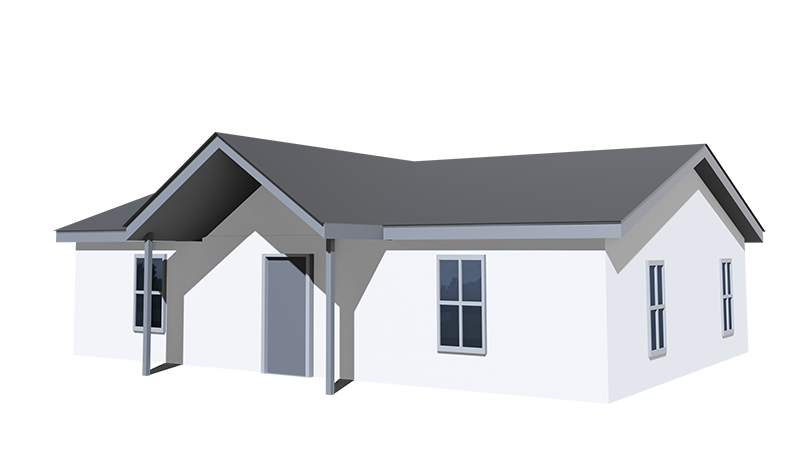
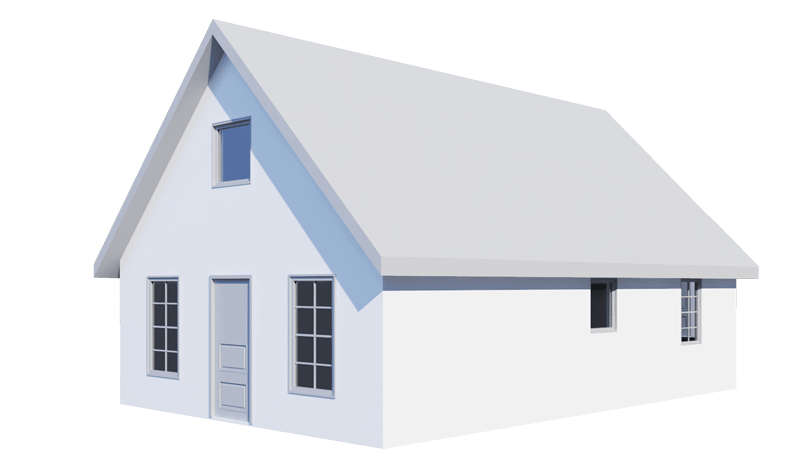
Prefab small homes, like Mighty Small Homes kits, provide an ideal foundation for smart technology. SIP panels create a tightly sealed, energy-efficient shell that's two to three times more efficient than a traditional construction. This performance amplifies the benefits of smart heating, cooling, and lighting systems.
Panelized prefab construction also simplifies wiring and device installation during the build. Designs are customizable and open, making it easier to upgrade technology over time. A SIP prefab home already saves energy and maintains comfort. Smart home technology builds on that advantage.
Top Smart Home Features for Small Living by Homeowner Type
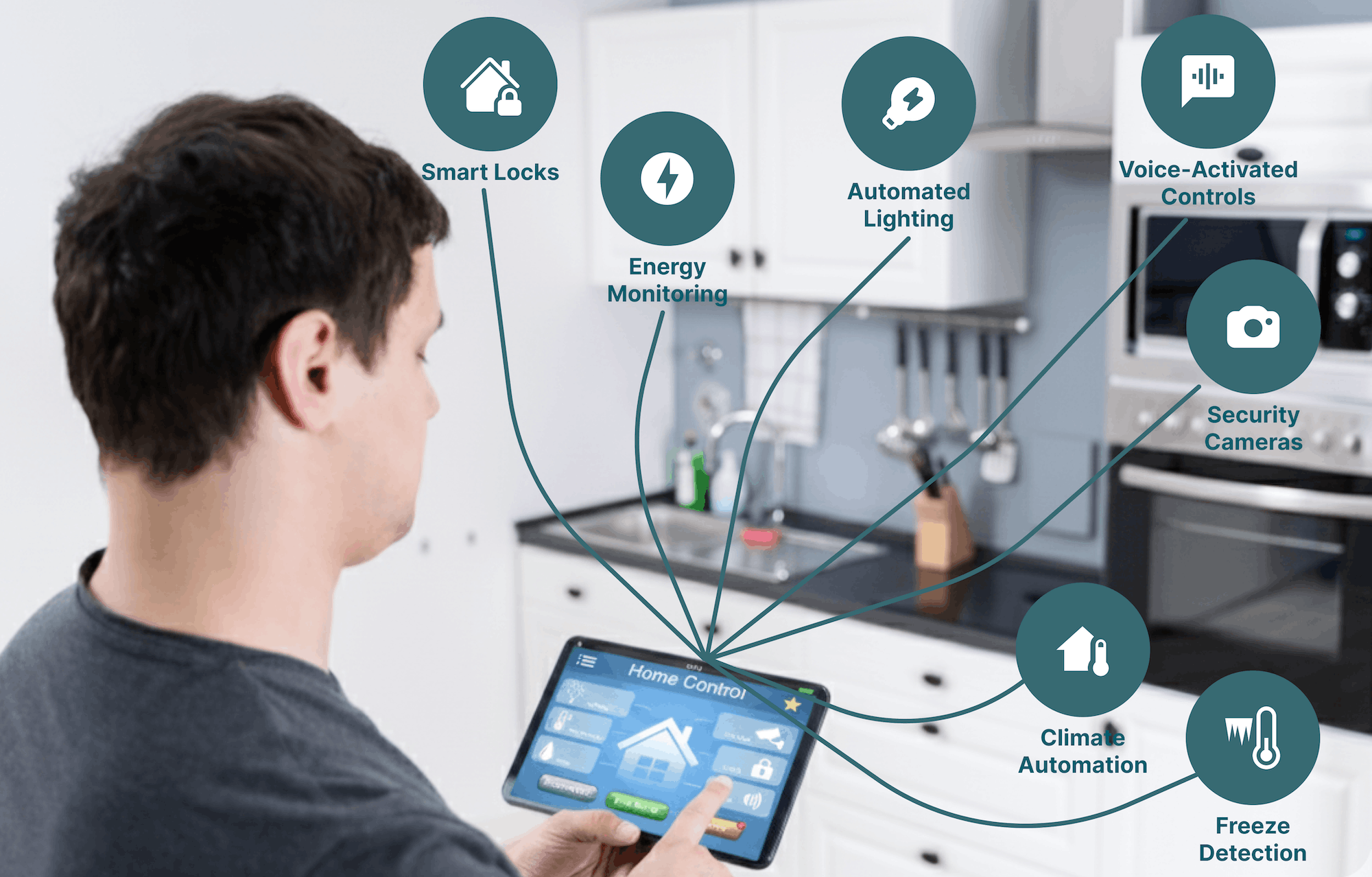 Every homeowner has different priorities. Here are the top smart home features tailored to common small-home profiles.
Younger First-Time Buyer
Young first-time buyers are tech-savvy and budget-conscious. They want connected features that are affordable, efficient, and easy to expand.
Goals: Affordable, seamless, tech-forward, and energy-conscious.
Smart Features
- AI-powered smart lighting with mood settings and circadian adjustments
- Voice assistants for hands-free control
- Smart thermostats with predictive energy optimization and solar panel integration
- Affordable AI-enabled security cameras with object detection
- Matter-compatible smart plugs and outlets
Downsizer
Downsizers are moving from larger suburban homes to more manageable spaces. They value simplicity, reliability, and low-maintenance.
Goals: Simplicity, energy efficiency, low maintenance, and reliability
Smart Features
- All-in-one Matter-ready smart home hubs
- Automated lighting with motion sensors and timers
- Smart locks with biometric access and temporary digital codes
- Appliance-level energy monitors
- Voice-controlled systems for hands-free operation
Retiree
Retirees prioritize safety, comfort, and ease of use. Technology must be intuitive and supportive.
Goals: Safety, comfort, ease of control, and health support
Smart Features
- Fall detection systems with emergency alerts
- Voice-activated controls integrated into walls or furniture
- Adaptive lighting for circadian health
- Two-way smart cameras for security and family check-ins
- Climate control presets with air quality monitoring
Second Home or Vacation Home Owner
Vacation homeowners need remote visibility and protection while the property is unoccupied.
Goals: Remote management, security, and property protection
Smart Features
- Advanced security systems with AI-driven threat detection
- Geofenced thermostats with dynamic schedules
- Automated exterior lighting and weather-linked irrigation
- Water leak and freeze sensors with instant alerts
- Smart locks with multi-user digital access
Short-Term Rental or Airbnb Operator
Short-term rental owners need scalable systems that improve guest experience while protecting the property.
Goals: Streamlined operations, guest experience, security, and scalability
Smart Features
- Smart locks with unique guest access codes
- Centralized dashboards for climate, lighting, and security
- Automated check-in and check-out routines
- Noise and occupancy sensors with alerts
- Exterior security cameras
- Leak detectors and smart smoke/CO alarms
- Guest-friendly smart appliances
- Digital house manuals on tablets or smart displays
- Automated system resets between stays
- Energy monitoring to control utility costs
Related: If you’re considering an ADU for Airbnb, see our guide for tips.
Looking Ahead: Future Smart Home Trends
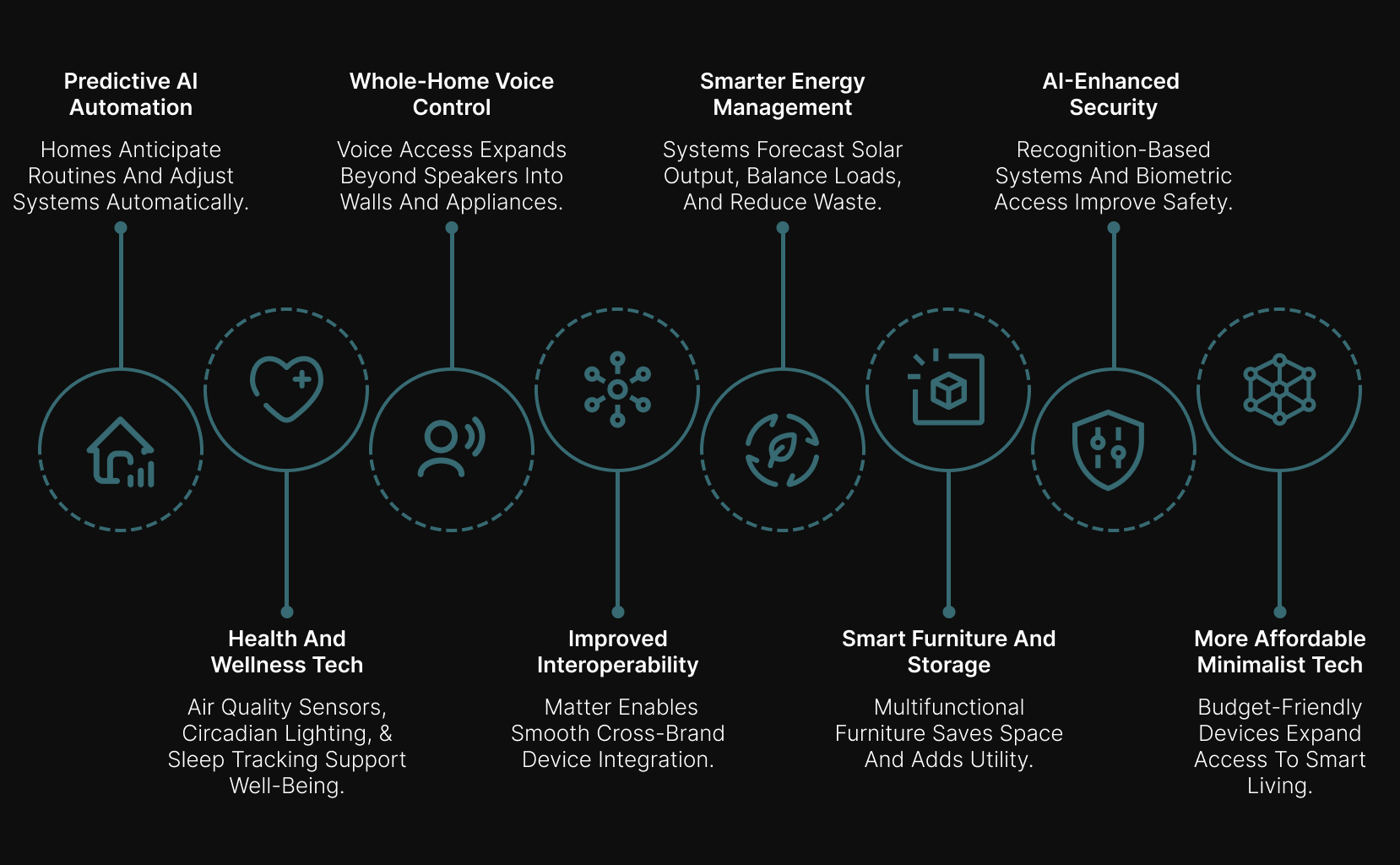 Smart home technology continues to evolve, especially for small spaces.
- Predictive AI automation: Homes anticipate routines and adjust systems automatically.
- Whole-home voice control: Voice access expands beyond speakers into walls and appliances.
- Smarter energy management: Systems forecast solar output, balance loads, and reduce waste.
- AI-enhanced security: Recognition-based systems and biometric access improve safety.
- Health and wellness tech: Air quality sensors, circadian lighting, and sleep tracking support well-being.
- Improved interoperability: Matter enables smooth cross-brand device integration.
- Smart furniture and storage: Multifunctional furniture saves space and adds utility.
- More affordable minimalist tech: Budget-friendly devices expand access to smart living.
Why Mighty Small Homes Kits Are the Perfect Smart Home Foundation
Starting with the right structure makes smart home integration easier.
- High-performance SIP construction: Reduces energy loss and enhances smart system efficiency.
- Prefab convenience: Panelized construction allows precise planning for wiring and devices.
- Modular and customizable designs: Open layouts support future upgrades.
- Sustainable and cost-efficient: Smart systems compound long-term savings.
- Accessible layouts: Fewer interior walls support aging-in-place technology.
- A Mighty Small Homes kit provides a strong, energy-efficient, baseline that allows smart features to perform at their best.
Smart Home Integration Tips for Small Homeowners
Smart technology works best when it’s planned with space, budget, and long-term use in mind. These practical tips help small homeowners integrate smart devices without overcomplicating their setup.
- Start with core systems before expanding
- Check device compatibility, especially Matter support
- Focus on high ROI upgrades
- Follow basic cybersecurity practices
Next Steps to Build Your Smart Small Home
Smart technology enhances small-home living at every life stage. From first-time buyers to retirees, the right combination of smart features and an efficient home design creates a comfortable, future-ready space.
Each Mighty Small Homes kit can be customized to include smart home features that match your goals. Contact our team for more information or a quote and get started on building a smart small home that works for you.