SIP Panel Kits: The Smart Response to the Framing Labor Shortage
Even with permits approved, materials on site, and crews tentatively scheduled, residential construction can stall when skilled framers are unavailable. Builders juggle shifting crew calendars while homeowners wait without reliable move-in dates.
Rising costs and lost time turn what should be a predictable phase into a source of ongoing pressure.
Every delay compounds. Missed framing windows affect downstream trades, loan schedules, and overall project confidence.
With skilled framing labor in short supply nationwide, both builders and homeowners are looking for ways to reduce dependence on scarce crews and keep projects moving.
The Hidden Crisis Behind Homebuilding Delays
Framing labor scarcity changes homebuilding earlier than most expect. On paper, schedules appear workable. In practice, framing slips and the rest of the build follow.
Missed windows slow progress, raise costs, and force unplanned decisions. What once felt manageable now feels uncertain.

Two groups feel this most directly.
Homebuyers want clarity. They need to plan moves, financing, and life changes without guessing when a home will be finished.
Builders want control. They need schedules that hold, margins that remain workable, and systems that grow without constant disruption.
Both face the same constraint. A tightening framing-labor market. As skilled crews become harder to secure, timelines stretch, and costs rise. Buyers push for firmer answers.
Builders look for construction methods that restore predictability.
Prefab construction, particularly SIP kit homes, responds directly to this pressure. By shifting much of the framing work off-site, SIP kits reduce reliance on traditional framing crews and replace uncertainty with repeatable processes and more controlled timelines.
The Skilled Labor Shortage in Framing: What’s Really Going On
The construction labor shortage doesn’t stem from a single factor.
Several trends converge at framing, where the impact becomes visible first.
The workforce has aged, fewer new workers are entering the trades, and demand for housing continues to rise.
Builders encounter this imbalance in every bid cycle and scheduling attempt, as the supply of skilled framers no longer matches the volume of work.
Main Causes of the Framing Labor Shortage
-
Aging workforce: Experienced framers are retiring faster than younger workers are entering the trade. Decades of hands-on knowledge leave job sites, while fewer apprentices step in to replace them.
-
Training pipeline gaps: Vocational and trade programs haven’t kept pace with demand. Fewer students pursue carpentry, leading to shortages even in regions that once had stable labor pools.
-
Sustained housing demand: New construction, remodels, and rebuilds all compete for the same limited workforce, intensifying pressure on available crews.
-
Immigration enforcement and workforce churn: In framing-heavy regions, labor pools tighten further as crews relocate or cycle through short-term jobs, forcing builders to chase narrow scheduling windows.
- Regional variation, national impact: While some markets feel the shortage more acutely, the trend affects urban and rural areas alike. Skilled framers are booked further out and at a higher cost.
This shortage shows no sign of easing, making labor-efficient construction methods increasingly relevant.
Direct Cost Impacts: Why Stick-Built Framing Is Getting More Expensive
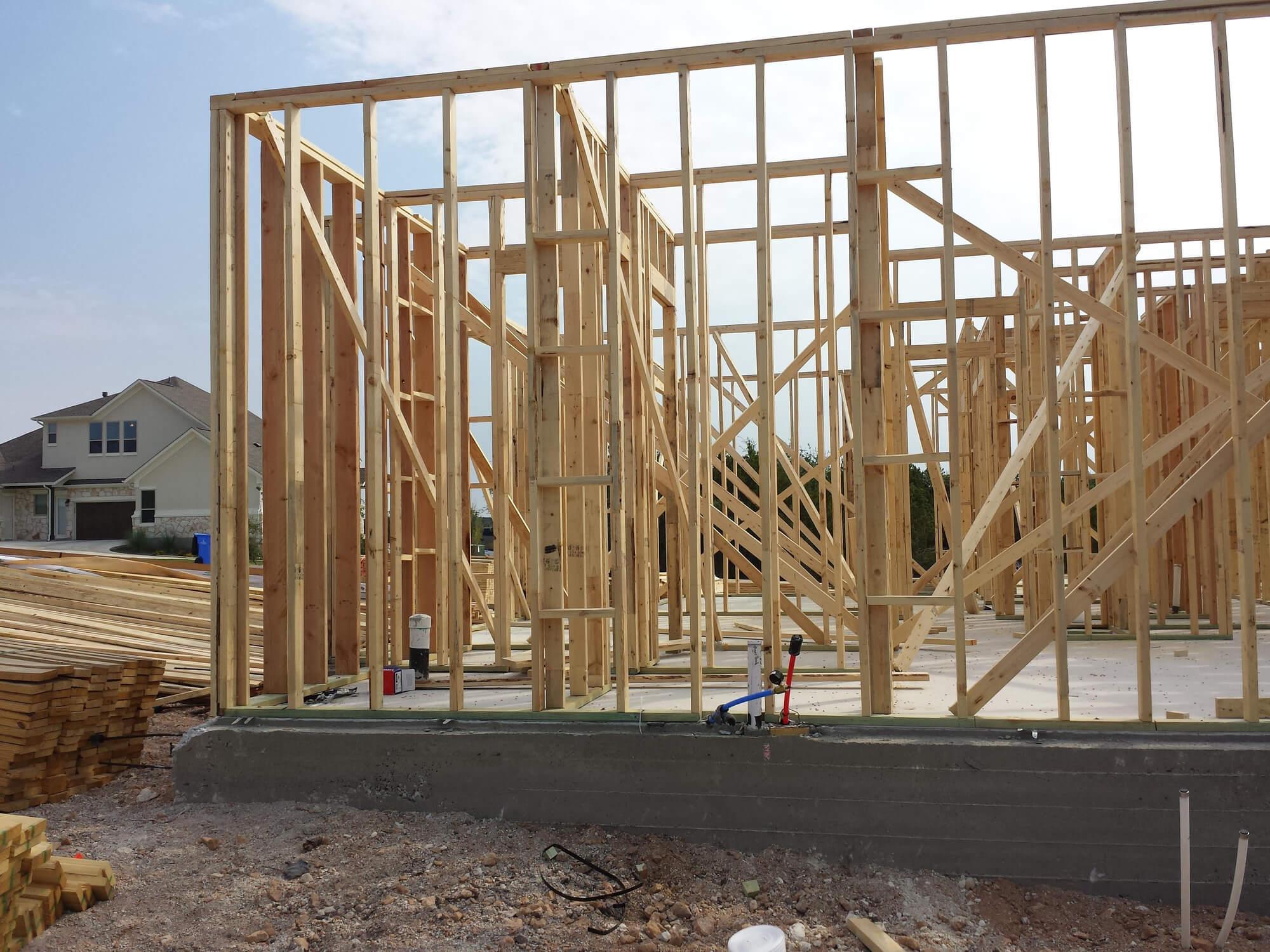
Rising labor costs affect every phase of construction, but framing absorbs the impact first.
Builders see budgets stretch as securing skilled crews becomes more difficult.
Costs accumulate before walls go up.
Labor hours increase, schedules shift, and on‑site adjustments add expense.
What was once a predictable line item has become one of the most volatile parts of a build.
Key Drivers of Stick-Built Framing Costs
- Higher wages. Experienced framers command higher hourly rates as demand outpaces supply.
- Overtime and rush premiums. Delays often lead to paid overtime, weekend work, or accelerated starts to recover lost time.
- Scarcity pricing. Limited crew availability makes labor a premium resource, requiring additional fees to secure calendar space.
- Material waste. On-site measuring and cutting increase offcuts and construction inefficiencies, particularly when skill levels vary.
- Rework. Errors from less-experienced crews require corrections that add both time and labor.
Together, these factors make stick-built framing more expensive and less predictable, prompting builders to evaluate alternatives such as SIP panel kits.
Indirect Cost Impacts: The Expenses That Add Up Quietly
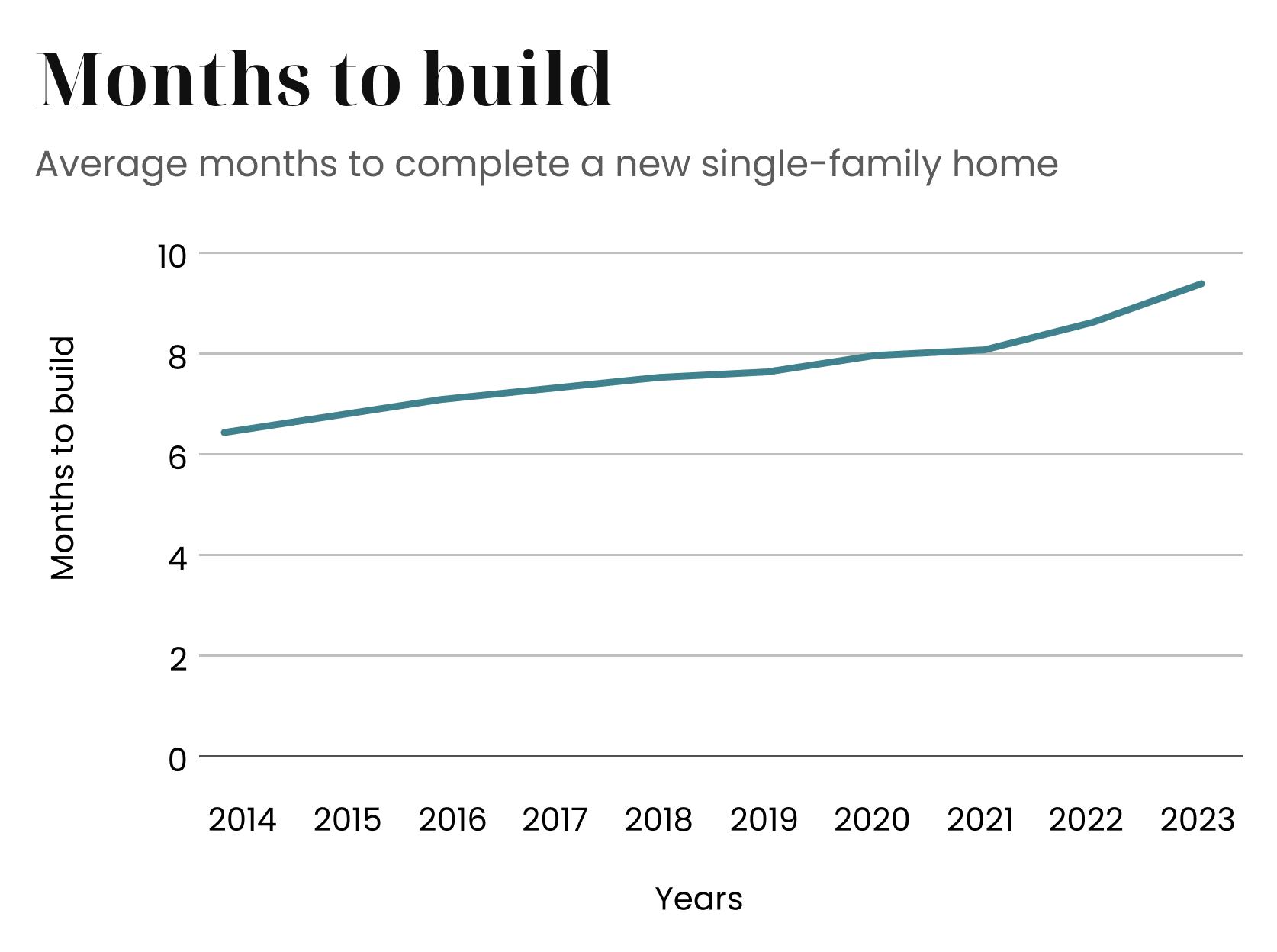
The cost of labor shortages extends beyond framing invoices.
Delays create ripple effects across schedules, financing, and risk across the entire project.
Builders and homeowners often feel these impacts long before they appear on a spreadsheet.
Hidden Costs Driving Construction Delays
- Extended construction loans. Longer build times increase interests and carrying costs.
- Downstream trade delays. Electrical, plumbing, HVAC, and roofing work can’t start until framing is complete.
- Weather exposure. Prolonged framing phases leave structures exposed to rain, wind, and temperature swings, increasing the chance of damage.
- Insurance considerations. Extended timelines can affect coverage requirements and premiums.
- Opportunity cost for builders. Delayed projects tie up capital and limit the number of homes completed each year.
These indirect impacts explain why labor-saving construction methods are gaining attention as a way to stabilize schedules and budgets.
Timeline Impacts: Why “Under Roof” Takes Longer Than It Used To
Framing once followed a predictable pattern. Many stick-built homes move from framing to dry-in within three to six weeks.
Today, that window has expanded. Crew shortages push framing phases to eight weeks or longer in some markets. Framers book months ahead, leaving little flexibility when plans change.
Weather compounds the issue. Stick-built framing stays exposed until dry-in, meaning rain or cold can halt progress entirely.
Without structural change, these pressures point toward longer timelines becoming the norm.
Why SIP Kit Homes Break the Bottleneck
Traditional framing often slows projects and introduces uncertainty when skilled crews are scarce. SIP kit homes remove many of the variables that make stick-built framing unpredictable, giving builders and homeowners a faster, more reliable path to enclosure.
What Are Structural Insulated Panels (SIPs)?
Structural insulated panels are factory-built panels that combine insulation and structure in a single component. They form the walls, roof, and sometimes floors of a home, creating a strong, energy-efficient envelope while reducing reliance on conventional stick framing.
Advantages of Using SIP Panel Kits
- Pre-cut, pre-engineered panels. Factory-controlled dimensions and openings reduce on-site measuring, cutting, and errors.
- Smaller crews. Two to four workers can assemble panels that replace much larger framing teams, lowering labor needs.
- Rapid enclosure. Many SIP projects reach “under roof” in three to seven days, protecting materials and keeping schedules intact.
- Reduced skill dependency. Installation follows a standardized process rather than relying on individual framing expertise.
- Less weather exposure. Faster dry-in limits delays and damage from rain, wind, or temperature swings.
- More stable timelines. Assembly is less sensitive to crew availability, weather disruptions, and workforce churn, keeping projects on schedule.
SIP kit homes remove framing bottlenecks, letting builders move faster with smaller teams. Homeowners benefit from steadier timelines and high-performance building envelopes.
Cost Advantages of Mighty Small Homes SIPs in a Labor-Constrained Market
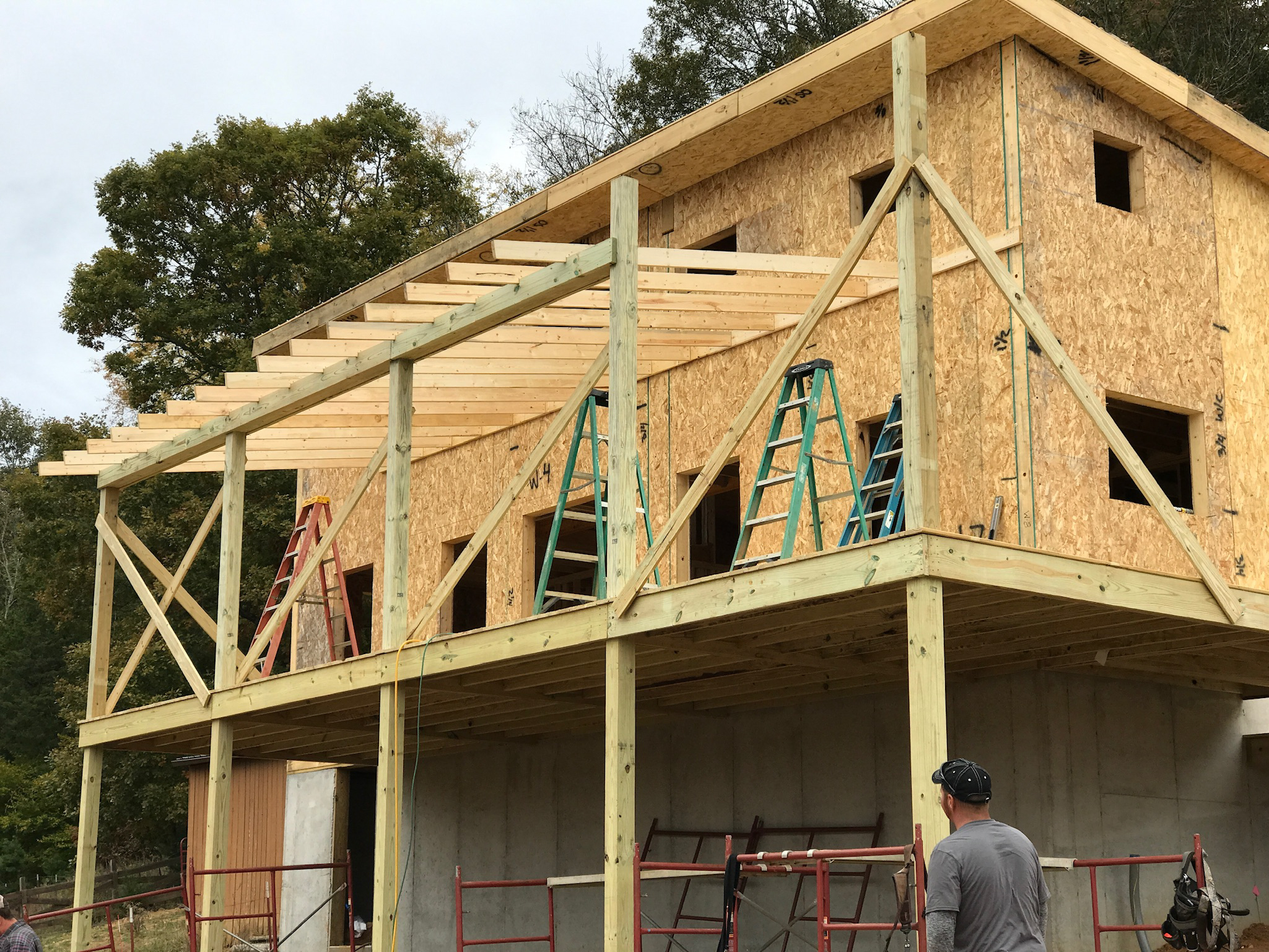
Skilled framers are increasingly difficult to secure, and even short delays can disrupt budgets and schedules. Pre-engineered SIPs simplify assembly and reduce on-site labor.
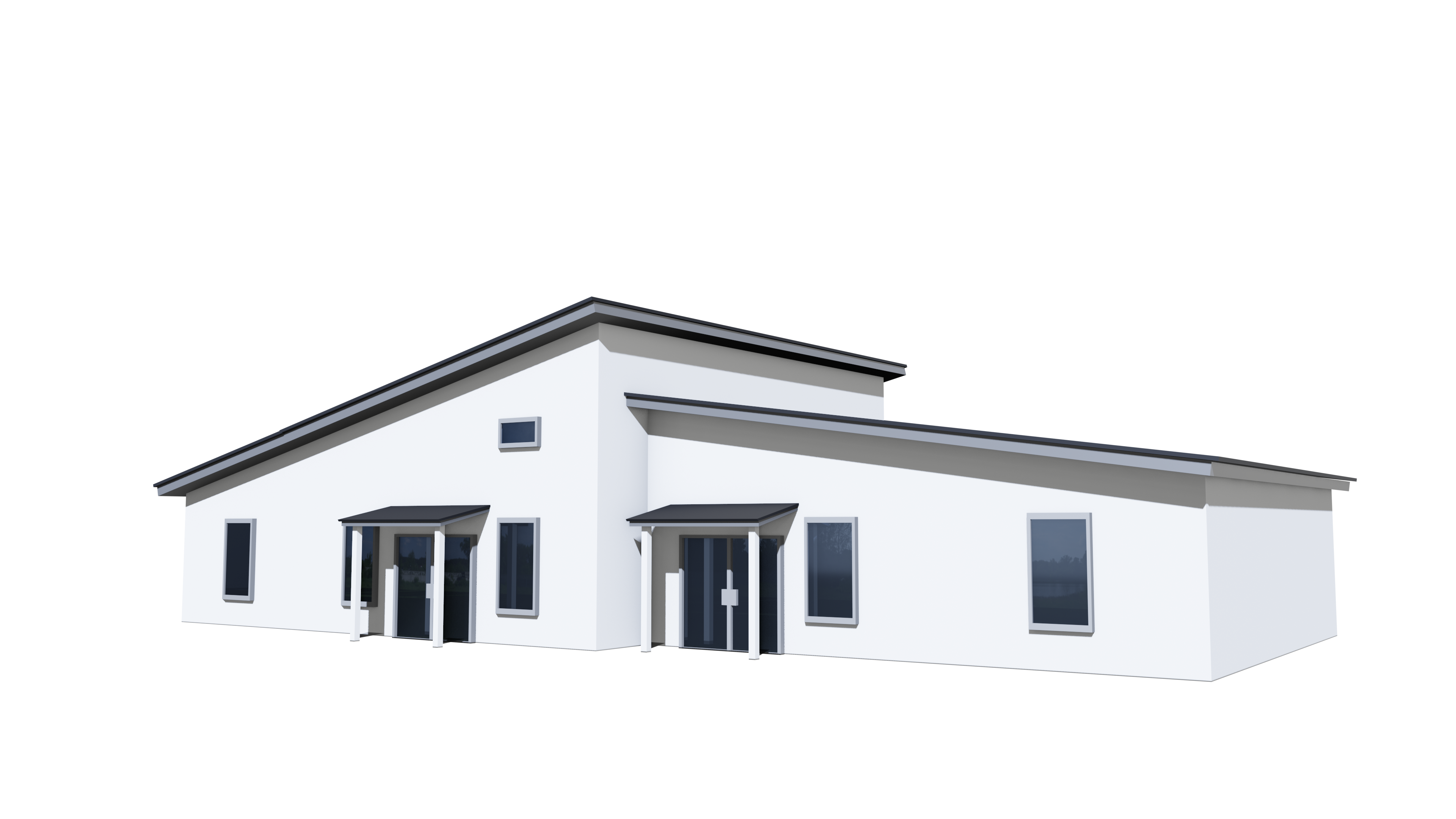
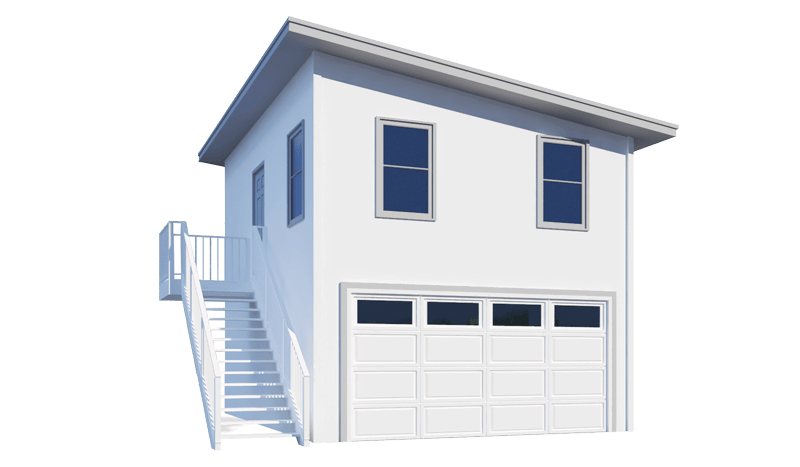
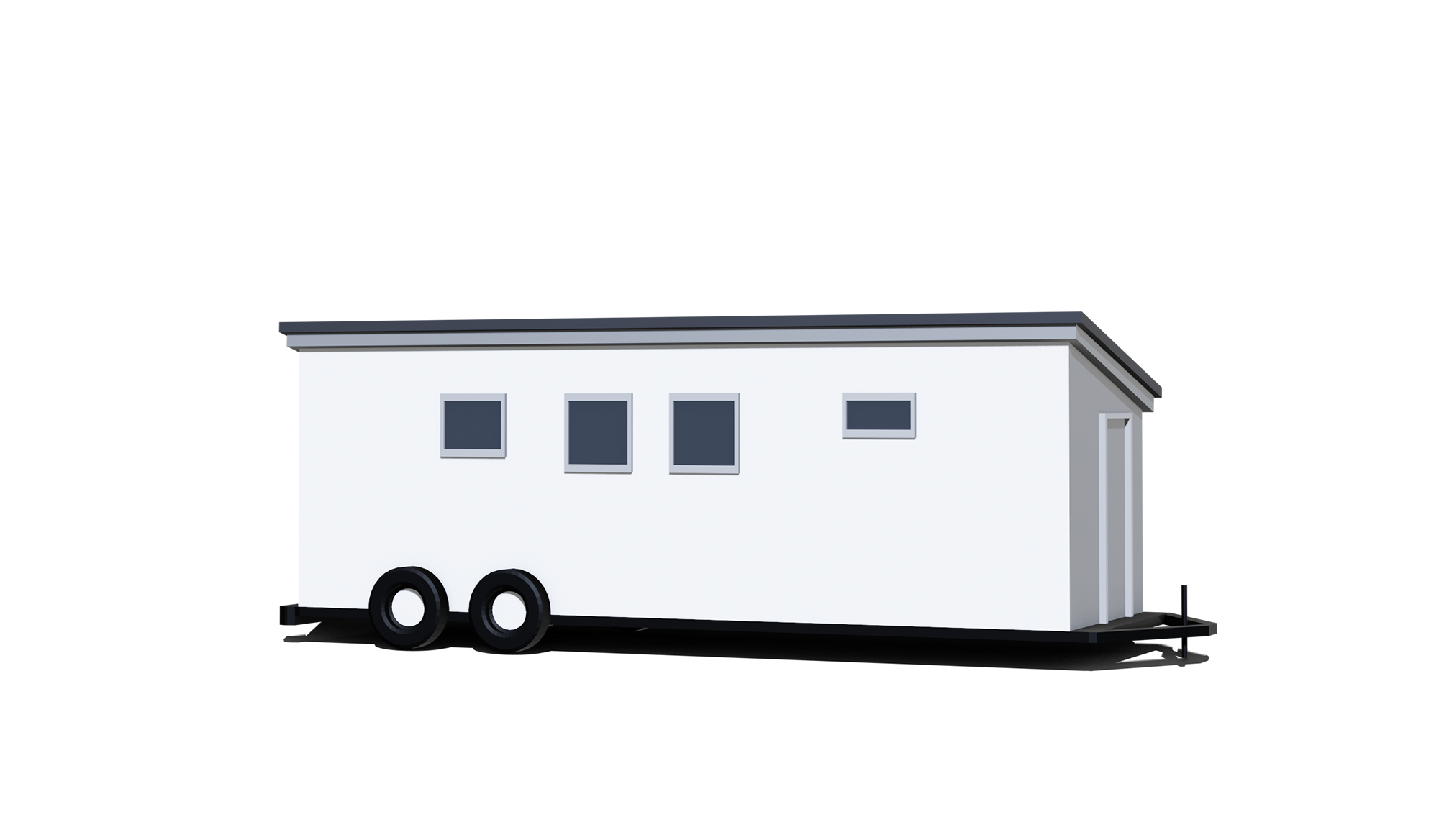
Mighty Small Homes SIP kits apply this approach to address the practical pressures builders and buyers face today.
Why Mighty Small Homes SIP Kits Make Sense
These factors make prefab home kits a practical option during an ongoing construction workforce shortage.
Get Your Home Under Roof With Minimal Labor
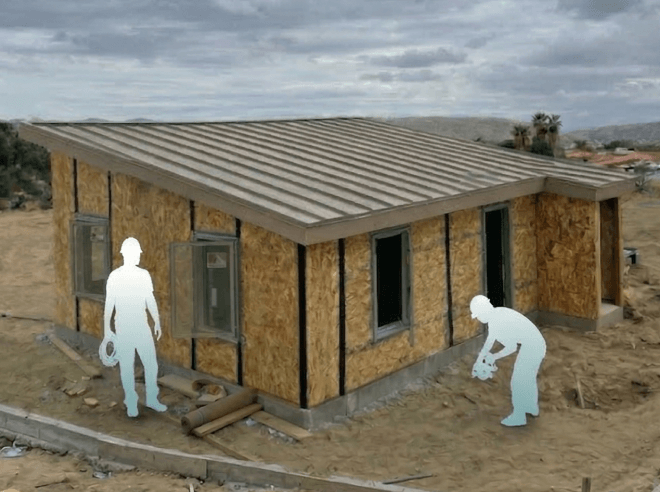
Because SIP panels arrive pre-cut and engineered, a full framing crew isn’t required to enclose a home. A small team of family members or friends can assemble the shell in just a few days, keeping the project moving even when skilled labor is scarce.
Pre-engineered SIP panels replace traditional manpower with a simple, repeatable assembly process.
Overcoming the Framing Labor Shortage with SIP Panel Kits
The framing labor shortage is reshaping homebuilding nationwide. Delays, cost swings, and workforce uncertainty now define the environment.
Prefab home kits built with structural insulated panels offer a practical upgrade for those prioritizing speed, predictability, and operational resilience.
First-time buyers planning around fixed timelines, downsizers managing fixed budgets, second-home builders balancing schedules, and contractors scaling operations all benefit from systems that reduce labour dependence.
Building faster, maintaining predictable timelines, and enclosing homes quickly gives projects a clear advantage when systems replace manpower.
See how Mighty Small Homes SIP kits can simplify your build.
Request a quote today.