Kit Homes Can Help Solve the U.S. Housing Crisis
The U.S. housing shortage remains pinched. The gap between supply and demand persists despite some recent improvements. According to government and industry data, the nation is short about 3.8 million homes, which has not meaningfully improved since 2020.
The U.S. housing market in 2025 continues to pose significant challenges for middle-income buyers, especially millennials, Gen Xers, and downsizers, despite some recent improvements in overall housing inventory.
Rising prices, high mortgage rates, and a mismatch between homes built and what buyers can afford are reshaping the American dream for these groups.
"Today, one of the biggest deficits that we have is the creation of new starter homes," former Housing and Urban Development Secretary Adrianne Todman said in January at the Inman Connect Conference in New York City.
Rising prices for various reasons, fewer construction laborers, and outdated zoning laws challenge would-be homebuyers. Millennials and Gen Z are facing bigger hurdles.
A somewhat positive sign, 2024 saw over 1.6 million home completions, the highest in nearly 20 years. While affordability remained challenging, builders offered incentives, boosting lower-cost home sales. However, slowing multifamily starts signal a future decline in rental supply.
Who Are Today’s Middle-Income Buyers?
Millennials, now in their late twenties to early forties, and Gen Xers, ranging from their early to late fifties, represent a substantial portion of today's homebuying market.

Xers have the highest median household income at $130,000, with older millennials not far behind at $127,500.
Adding to the many buyers looking for smaller entry-level homes, downsizing has evolved beyond its traditional association with retirees.
In 2025, downsizing has become a mainstream homeownership strategy.
For many, it offers a pathway to greater financial security, increased lifestyle flexibility, and lower living costs.
This shift is not limited to older Americans; younger buyers, too, are drawn to smaller, more manageable homes as a practical response to ongoing affordability challenges and a desire for simpler living.
Recent Policy and Market Developments Fueling Hope
Closing the housing gap could take 7.5 years at the current pace, according to Realtor.com.
While the housing shortage remains stubbornly persistent, recent policy shifts and market trends offer a glimmer of hope for those seeking affordable options, if only the momentum can be sustained.

Homebuilders briefly dodged a blow when Canadian lumber, the primary source of U.S. softwood imports, avoided new duties in early 2025.
But hold that victory lap.
After taking office, the current administration imposed a new 10% Section 232 tariff on imported softwood lumber in October, citing national security concerns. This stacks on top of existing anti-dumping and countervailing duties, which already total about 35%, pushing the effective rate above 45% for many Canadian producers.
The NAHB warns that this could further inflate costs and stall affordability gains. Lumber pricing remains volatile, and housing affordability is hanging in the balance.
While the federal landscape may be tightening, local governments are beginning to loosen their grip.
Some zoning progress is underway at the local level. In December 2024, New York City passed historic citywide reforms projected to create over 82,000 new homes over 15 years, emphasizing affordability and inclusionary zoning. States are also easing restrictions on accessory dwelling units. Still, exclusionary zoning continues to block most high-density development.
The Long Road and Winding Road of Short Supply
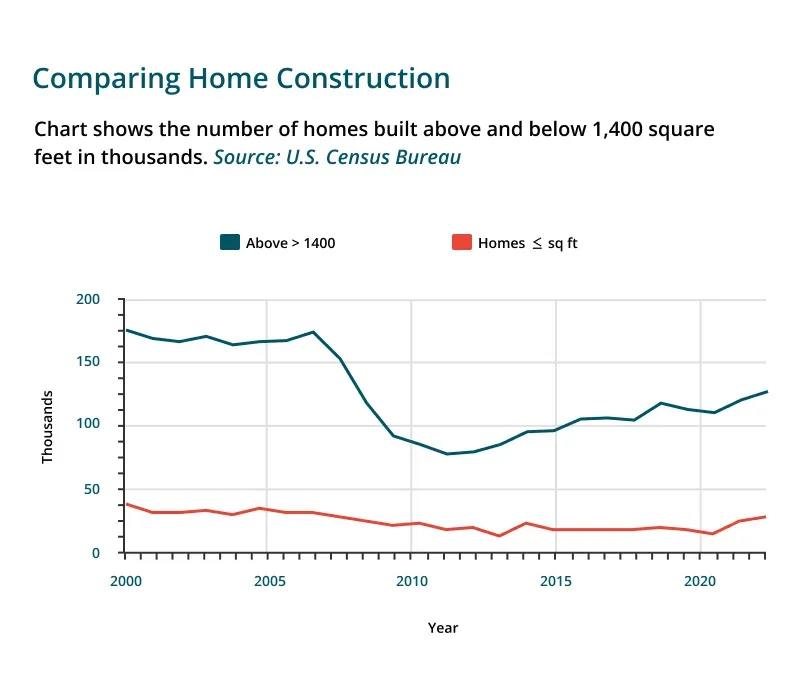
Causes of the shortage are the beginning of the solution.
A combination of long-standing and emerging factors constrains the supply of small and entry-level homes.
Why Entry-Level Homes Keep Disappearing |
|
|
|
|
|
|
What’s to be Done?
To close the affordability and inventory gap for middle-income buyers, the housing market needs to prioritize building more homes priced at about half of every luxury home listed above $680,000.
This would help restore balance and give more families a fair shot at homeownership.
2025 Housing Affordability by Income
|
Income Level |
Homes You Can Afford (2025) |
Trend Since 2023 |
Max Home Price You Can Afford |
|---|---|---|---|
| Less than $25,000 | <1% | ▼ Worse | ~$80,000 |
| $35,000 | ~7% | ▼ Worse | ~$115,000 |
| $50,000 | ~25% | ▼ Worse | ~$165,000 |
| $75,000 | ~45% | ▼ Worse | ~$250,000 |
| $100,000 | ~58% | ▼ Worse | ~$335,000 |
| $150,000+ | ~85% | ▲ Better | ~$500,000+ |
| Sources: Realtor.com, National Association of Realtors, Harvard Joint Center for Housing Studies | |||
Local governments are starting to respond by reforming zoning laws to allow higher-density and smaller homes, a move that could increase affordable options.
Supporting downsizing is also crucial. Policies like tax incentives or streamlined permitting for accessory dwelling units can make it easier for older homeowners to move into smaller spaces, freeing up larger homes for growing families and helping downsizers achieve greater financial security. This is already happening in California, Washington, Oregon, Maine, and several other states.
“These zoning changes are a win-win. Communities are unlocking options for multigenerational living and downsizing accessory dwelling units – families stay together. Plus, ADUs add much-needed housing in established neighborhoods," said Cyndi Masters, co-owner of Mighty Small Homes.
The New Solution Taking Root
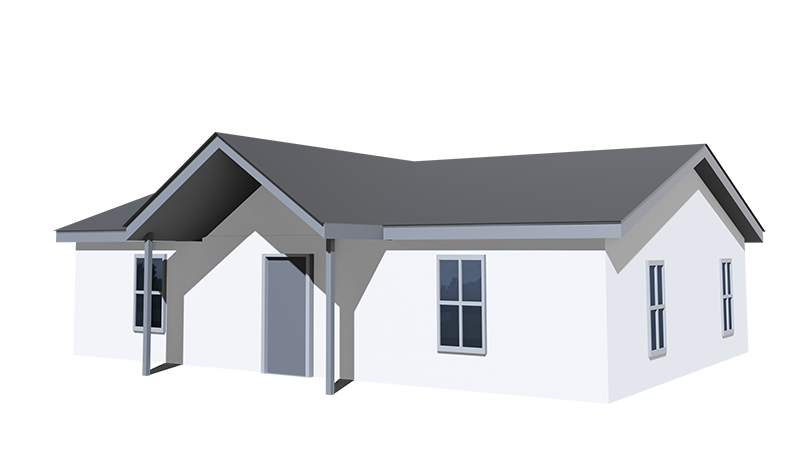
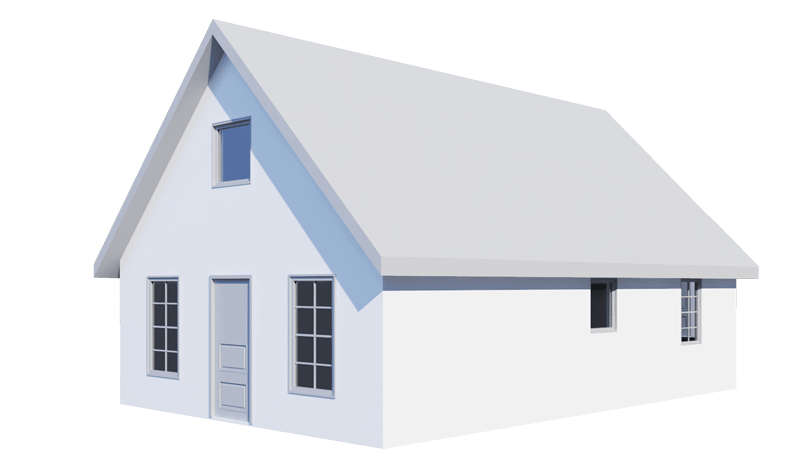
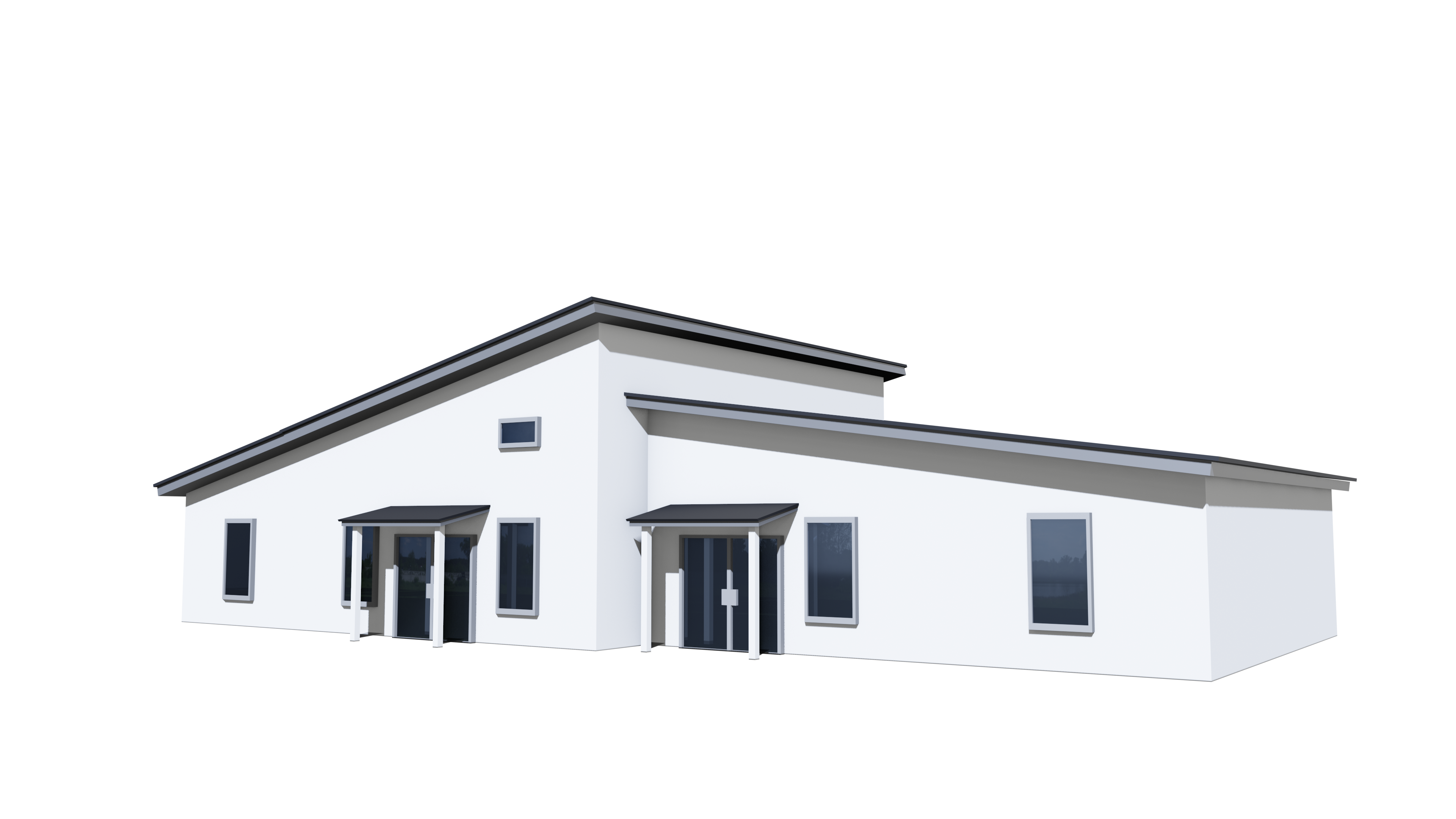
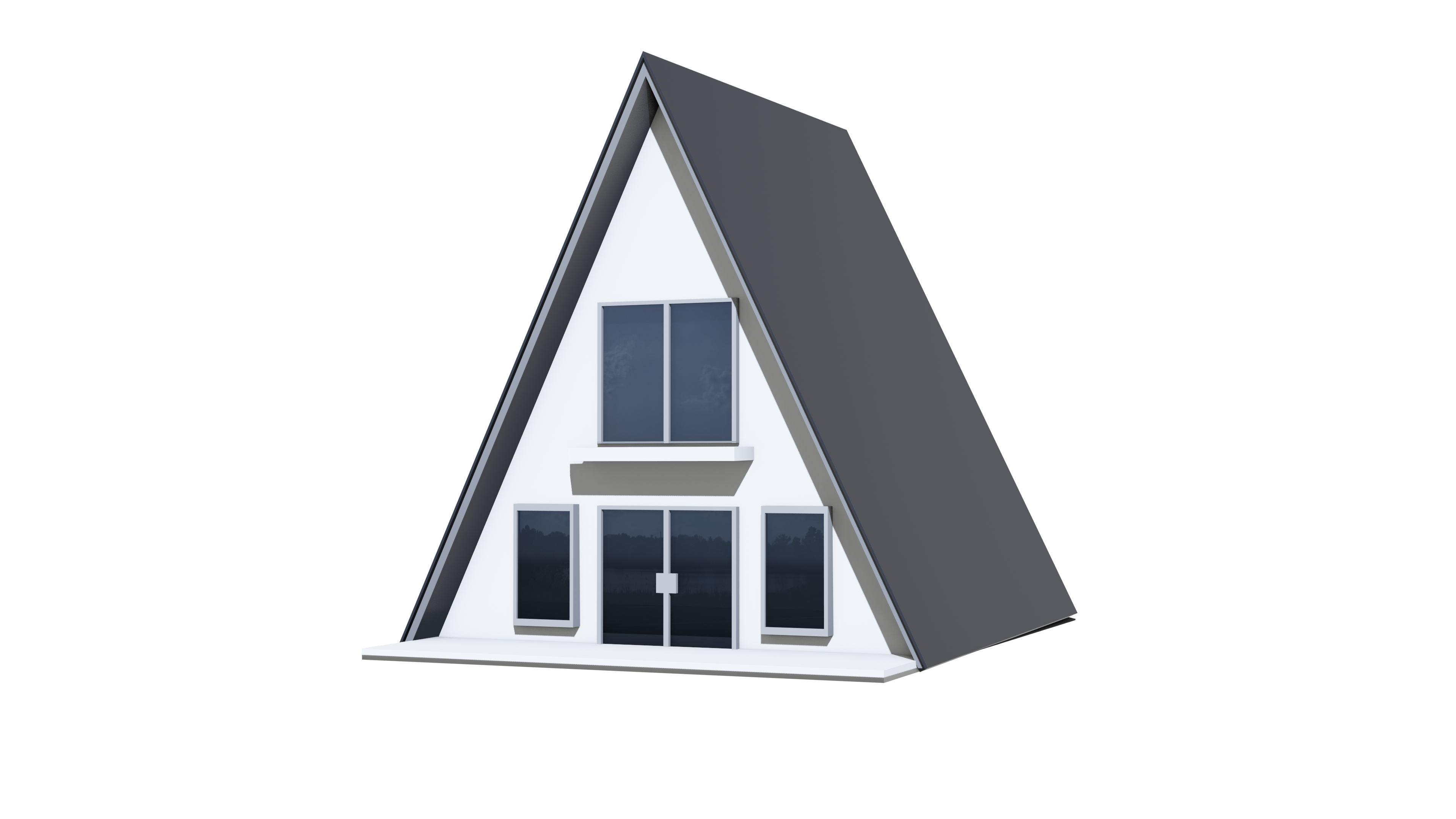
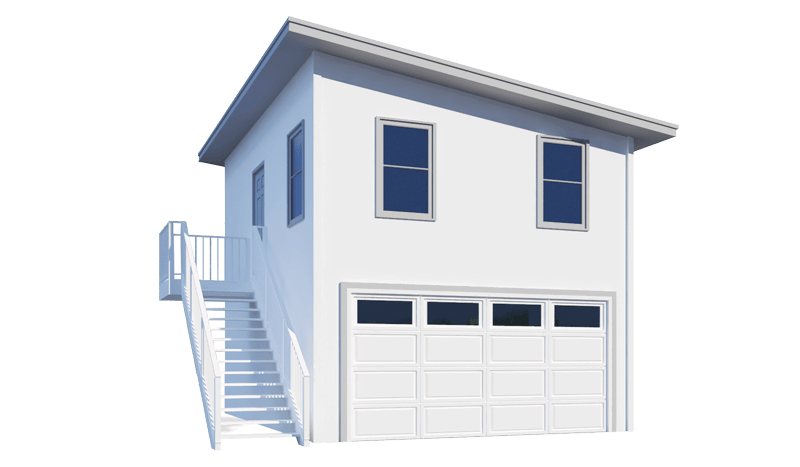
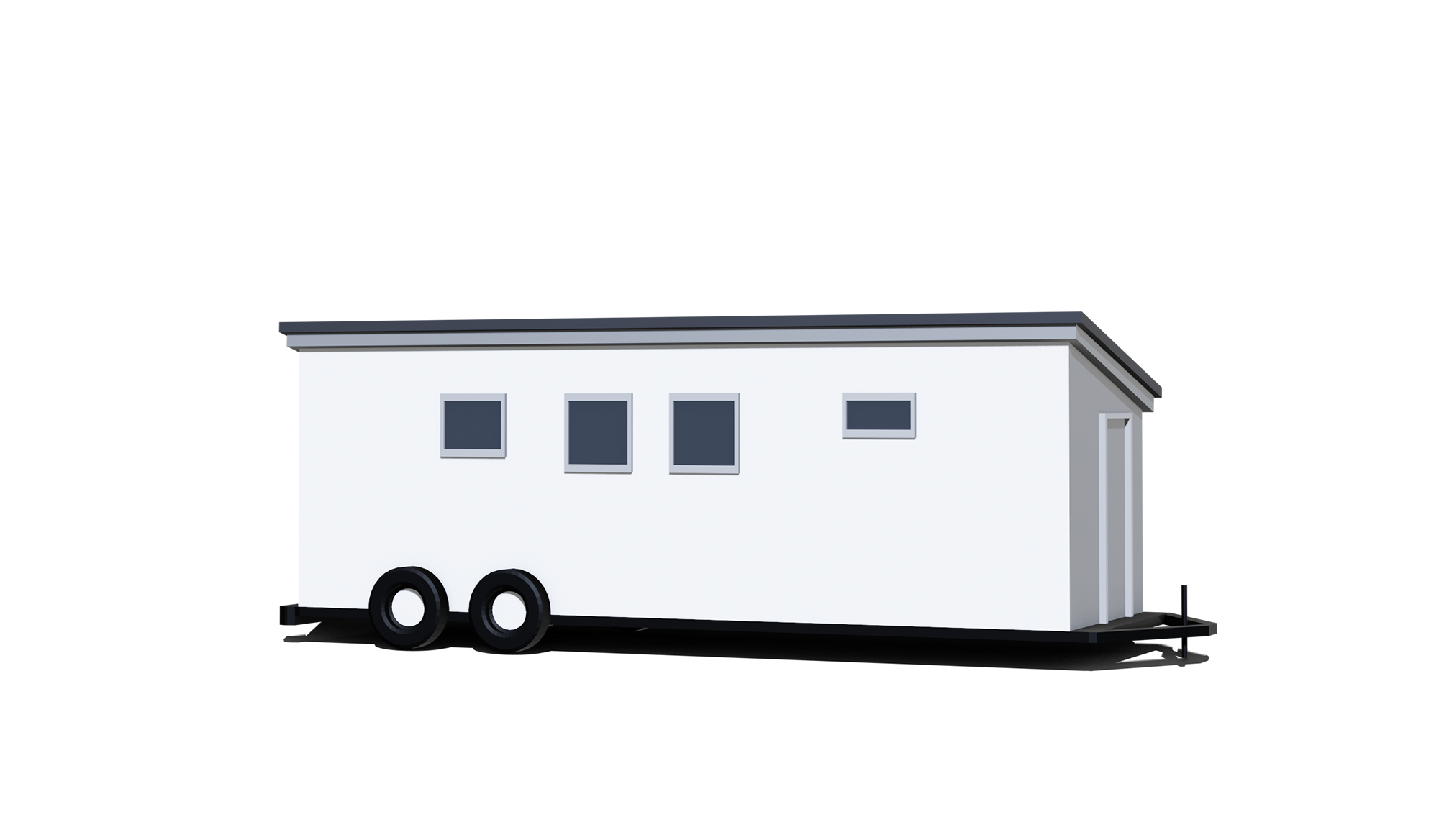
A century-old idea is making a modern comeback. Prefabricated and kit homes are emerging as a practical, cost-saving answer for buyers and builders, offering speed, efficiency, and flexibility in today’s tight market.
Sears sold thousands of mail-order homes in the early 1900s, many of which still stand today, proving that factory-built housing can offer lasting quality.
Today’s kit homes are manufactured in controlled factory environments, minimizing material waste and reducing delays while improving quality compared to stick-built homes. These homes present an opportunity for substantial savings for buyers willing to take a hands-on approach. Self-assembly can significantly reduce labor expenses.
Designed for efficiency, prefab kits often require less skilled labor, making them accessible to DIY-minded buyers or those with small teams of helpers. They also boast durability and energy efficiency, thanks to innovations like structural insulated panels (SIPs), which have been around for decades and offer excellent insulation while using less lumber.
SIPs Benefits for Aspiring Homeowners and Builders
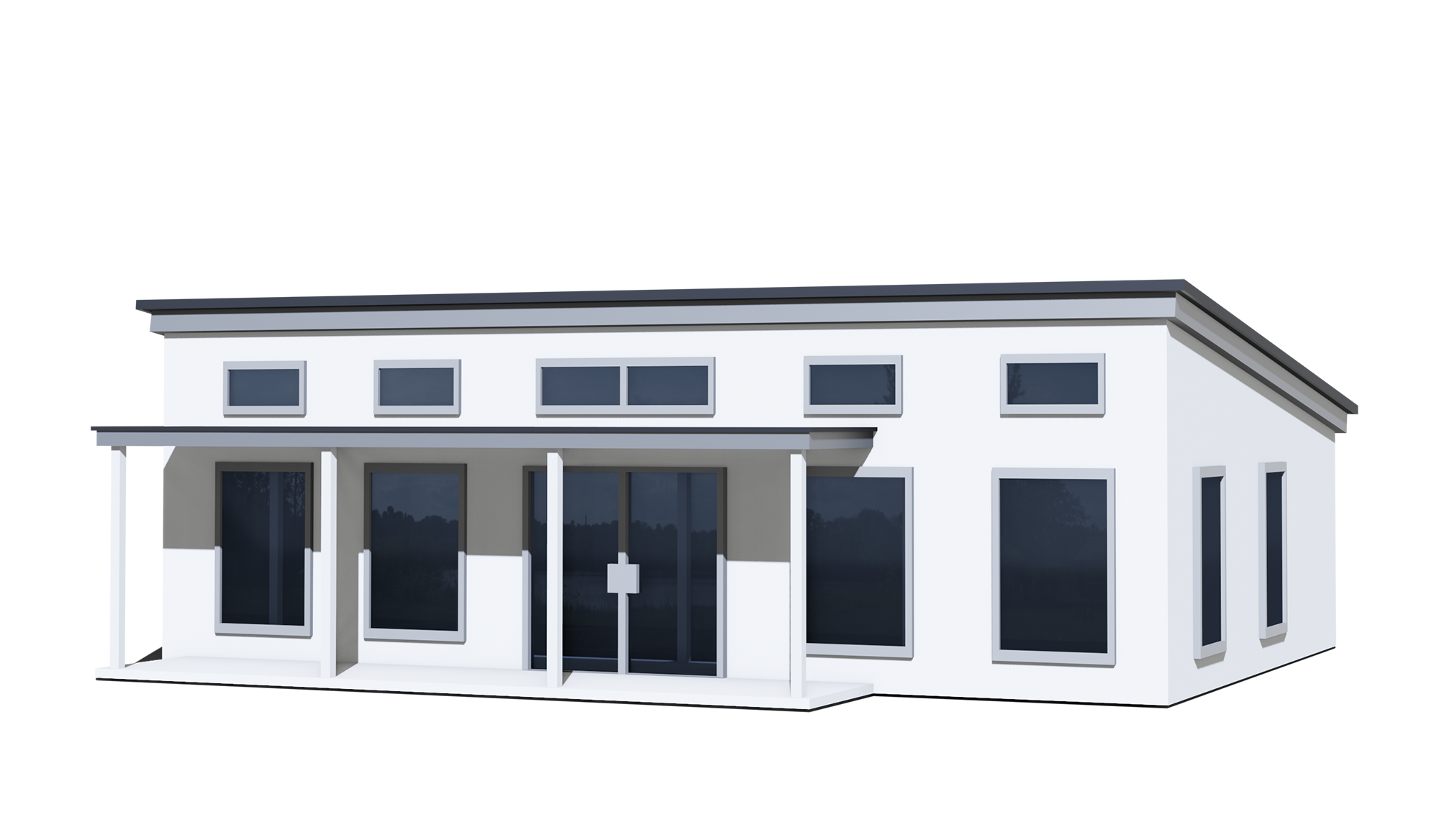
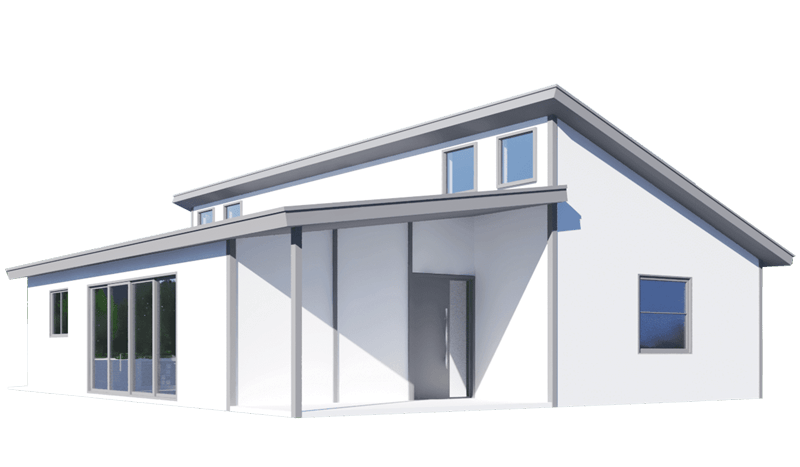
SIP house kits offer a practical way to address affordability and supply challenges. These prefabricated panels are strong, energy-efficient, and easy to assemble, making them a solution for building entry-level homes quickly.
“We see so many aspiring homeowners who feel priced out of the market or overwhelmed by the idea of building a home. SIP kits are changing that," said Ms. Masters.
SIP House Kits: Affordability and Cost Savings
 SIP house kits help wannabe homeowners and builders save money in multiple ways. The panels’ superior insulation can cut heating and cooling costs by up to 60%, making monthly expenses much more manageable for new homeowners. For builders, the prefabricated nature of SIP kits means less time and labor on site, reducing construction costs and allowing for quicker project turnover.
Faster Move-In, Quicker Returns
 Homes built with SIPs can be assembled up to 50% faster than traditional stick-built homes, meaning buyers can move in sooner and builders can complete more projects in less time. This speed also reduces the amount of interest paid on construction loans and minimizes exposure to weather-related delays.
DIY-Friendly and Less Labor-Intensive
 Because SIP kits are engineered for easy assembly, they reduce the need for highly skilled labor, opening the door for DIY enthusiasts and small building crews to take on projects that might otherwise be out of reach.
Durability and Safety
 SIP homes are structurally robust and can resist hurricanes and tornadoes packing winds of 150 mph and the flying debris they bring. This means greater peace of mind for homeowners and fewer warranty issues for builders.
Energy Efficiency and Comfort
Airtight SIPs slash energy bills and keeps indoor temperatures consistent and  comfortable year-round. Improved air quality and reduced drafts create a healthier living environment.
Sustainability and Lower Environmental Impact
SIPs use less lumber and have a smaller carbon footprint than traditional  framing, appealing to eco-conscious buyers and builders looking to meet green building standards.
Customizable and Adaptable
 SIP kits in various sizes and styles fit standard lot sizes and personal design preferences, providing homeowners with flexibility and making it easier for builders to meet diverse client needs.
For aspiring homeowners, SIP house kits offer a faster, more affordable, and energy-efficient route to owning a durable, comfortable home. For builders, they streamline construction, reduce costs, and deliver a product that stands out for its performance and sustainability.
Homeownership Hinges on Supply, Policy, and New Building Methods
The middle of the housing market remains under pressure, despite some positive signs, like increased home completions, zoning reforms, and the growing popularity of prefab kits. Millennials, Gen Xers, and downsizers continue to face high prices, fierce competition, and a shortage of homes that truly fit their budgets and needs.
“No single solution will fix the housing shortage overnight. But every step, whether it’s zoning reform, a new ADU policy, or a family building their own SIP kit home, brings us closer to a future where homeownership is within reach for more Americans, " Ms. Masters Said.
While some builders are beginning to pivot toward smaller, more affordable homes and innovative solutions like SIP kits are gaining traction, these changes are just the first steps. Achieving a healthy, balanced market for America’s middle class will require sustained effort.
For now, the path to homeownership for middle-income Americans is still steep.
FAQs
The supply of affordable homes hasn’t kept up with demand due to rising prices, high construction costs, restrictive zoning laws, and increased investor activity in the housing market.
Millennials, Gen Xers, and downsizers are particularly squeezed, facing high prices, limited inventory, and intense competition for entry-level homes.
The average new home has grown from about 1,650 square feet in the early 1970s to around 2,600 square feet today, making smaller, more affordable homes harder to find.
SIP (Structural Insulated Panel) house kits are prefabricated home kits that use strong, insulated panels for quick, energy-efficient, cost-effective construction, often requiring less skilled labor.
Yes, many SIP kits are designed for DIY assembly, making them accessible for homeowners who want to take a hands-on approach or for small construction crews.
Prefab and kit homes reduce material waste, cut down on labor costs, and often have better energy efficiency, which can lower utility bills over time.
Some cities and states are reforming zoning laws to allow more high-density and smaller homes, and supporting accessory dwelling units (ADUs) to increase affordable housing options.
Yes, institutional investors are buying a significant share of single-family homes, especially in lower-priced markets, reducing the number of homes available for individual buyers.
Platforms like Airbnb and VRBO have made it easier for owners to rent out entry-level homes instead of selling them, further tightening supply for buyers.
Builders benefit from faster construction times, lower labor requirements, reduced material costs, and a product that appeals to eco-conscious buyers.
No, downsizing has become a mainstream strategy for buyers of all ages, including millennials and Gen Xers, seeking affordability, flexibility, and lower living costs.
According to recent industry estimates, closing the housing supply gap at the current pace could take more than seven years.
Yes, 2024 saw over 1.6 million home completions, the highest in nearly 20 years, and more builders are starting to offer smaller, more affordable models.
Tariffs (currently around 14.5%) on Canadian lumber, a primary source for U.S. builders, keep construction costs high and contribute to overall home price increases.
Consider alternative paths like prefab or kit homes, look for emerging zoning reforms in your area, and be open to downsizing or DIY solutions to improve your chances of homeownership.