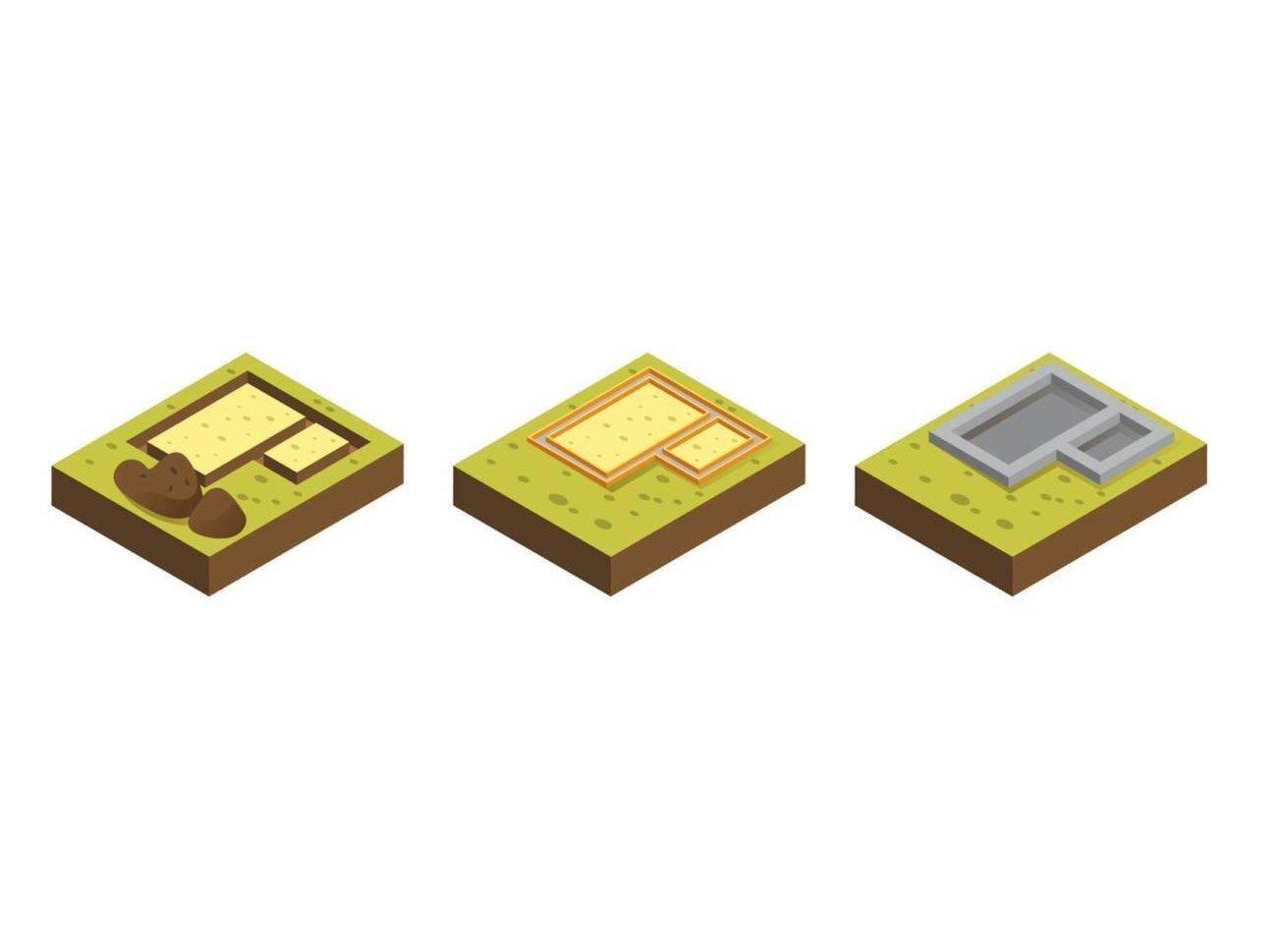
How to Build a Small House Kit: Choosing a Foundation
Matching Foundation Type to Your Land and Lifestyle
After you’ve chosen land for your new small house kit and set up utilities, your next step is deciding what kind of foundation to build for your kit home.
This is one of the most critical decisions in the entire build, as the foundation supports your home. While cost is a significant factor, it’s not the only one.
Questions to Ask About Home Foundations
Before choosing a foundation type, it’s critical to understand how your site conditions, climate, and lifestyle needs shape the decision. These questions help surface key factors that impact durability, cost, and long-term performance.
- Is the area subject to freezing?
- What is the slope of the lot?
- What is the risk of flooding or poor drainage?
- Do temperatures drop below freezing for extended periods?
- Is there a risk of tornadoes or other severe weather?
- Do I need ample storage or additional living space?
- What is my budget?
After you answer these questions, use the information below to help narrow your options. You’ll find that some foundation types suit certain land conditions or needs better than others. Remember that foundation costs can vary significantly by region and labor rates.
Here are five types of home foundations you can choose for your small house kit, listed from the cheapest to most expensive:
5 Types of House Kit Foundations
While foundation options vary by region, soil type, and build method, these five are the most common and practical for kit homes. Each offers distinct trade-offs in cost, complexity, and performance—making it easier to match your site conditions and project goals.
- Monolithic Slab Foundation
- Stem Wall Slab Foundation
- Pier and Beam Foundation
- Crawl Space Foundation
- Basement Foundation
Quick Comparison of Foundation Types
|
Foundation Type |
Typical Cost |
Key Pros |
Key Cons |
Best For |
|
Monolithic Slab |
Cheapest – ~$10,000 (about $5–$7/sq ft) | Lowest cost; quick construction; no steps (easy entry); blocks pests from below | No underfloor storage or storm shelter; costly to repair if damaged; not suitable for flood-prone areas | Flat, well-drained lots in warm climates; budget builds where low cost is a priority |
|
Stem Wall Slab |
Low – ~$12,000 (about $8–$10/sq ft) | Stable on soft or uneven ground (good with fill dirt); can be built higher for slope; allows a raised home profile | More time and labor than a monolithic slab (higher cost); still not ideal for high water table areas | Sites with slight slopes or fill dirt needs; owners who want a raised look while keeping costs relatively low |
|
Pier and Beam |
Moderate – ~$11,000 (about $7–$13/sq ft) | Elevates the home above minor floods; easy to access utilities under the house; easier to fix or modify than a concrete slab | Open crawl space means colder floors and less energy efficiency; can invite moisture and pests; requires steps into house | Flood-prone or coastal areas; uneven terrain; small homes where easy maintenance access is important |
|
Crawl Space |
Moderate – ~$11,000 (about $7–$13/sq ft) | Keeps floors warmer (house off the ground); provides an accessible space for utilities; works on sloped lots; better seismic flexibility | More expensive and time-consuming than slab; needs good ventilation/waterproofing to prevent moisture and pests; limited storage space | Areas with high water table or hard soil (where basements aren’t feasible); cold climates where warmer floors are desired |
|
Basement |
Highest – ~$27,000 (about $17–$33/sq ft) | Creates an entire extra floor of living/storage space; offers a safe shelter during storms; very energy-efficient when insulated; boosts resale value | Most expensive foundation type; longer build time (needs extensive excavation and curing); risk of flooding and mold if not waterproofed; less natural light | Homeowners needing maximum space or storm safety; hillside lots (can do walk-out basement); cold climates (footings below frost line) |
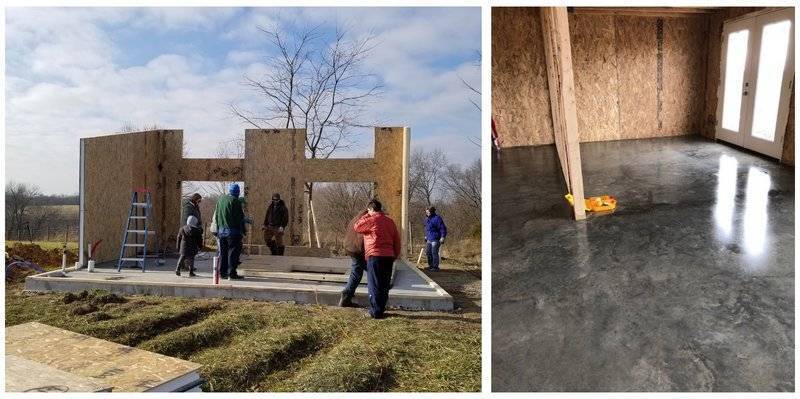
Monolithic Slab Foundation - $A monolithic slab is a single concrete foundation poured directly on the ground, which serves as both the floor and the footing edges. It’s the simplest and most common type of foundation, often the lowest in cost. |
|
|---|---|
| Pros | Cons |
|
|
|
Average Cost Nationwide: About $10,000 Cost per square foot: $5-$7 |
|
Stem Wall Slab Foundation - $Unlike a monolithic slab, this foundation uses perimeter footings and short concrete walls (“stem walls”) to raise the slab above ground level. This design provides more stability on uneven sites and allows the home to sit higher if needed. |
|
|---|---|
| Pros | Cons |
|
|
|
Average Cost Nationwide: About $12,000 Cost per square foot: $8-$10 |
|
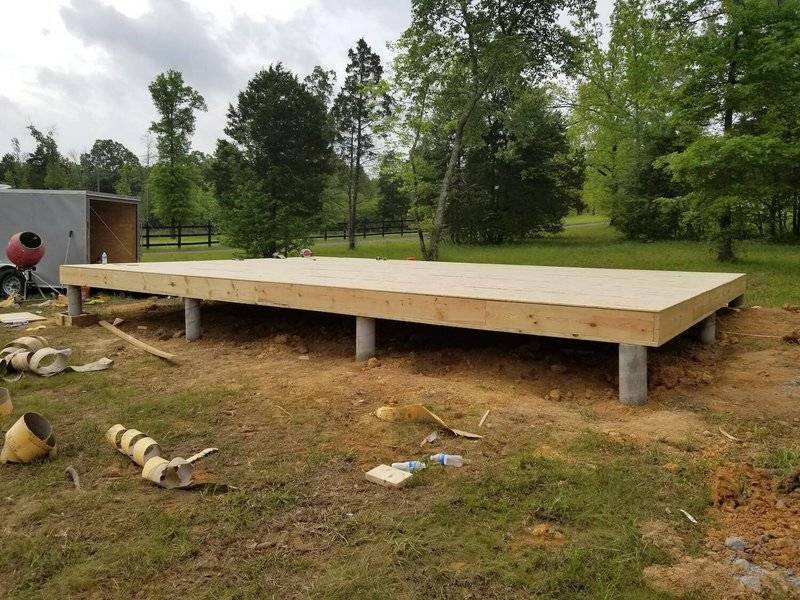
Pier and Beam Foundation - $$A pier and beam foundation, called post and pier, elevates the home on a series of vertical piers or posts, with beams supporting the floor above an open crawl space. This foundation lifts the house off the ground to protect it from moisture and flooding. |
|
|---|---|
| Pros | Cons |
|
|
|
Average Cost Nationwide: About $12,000 Cost per square foot: $8-$13 |
|
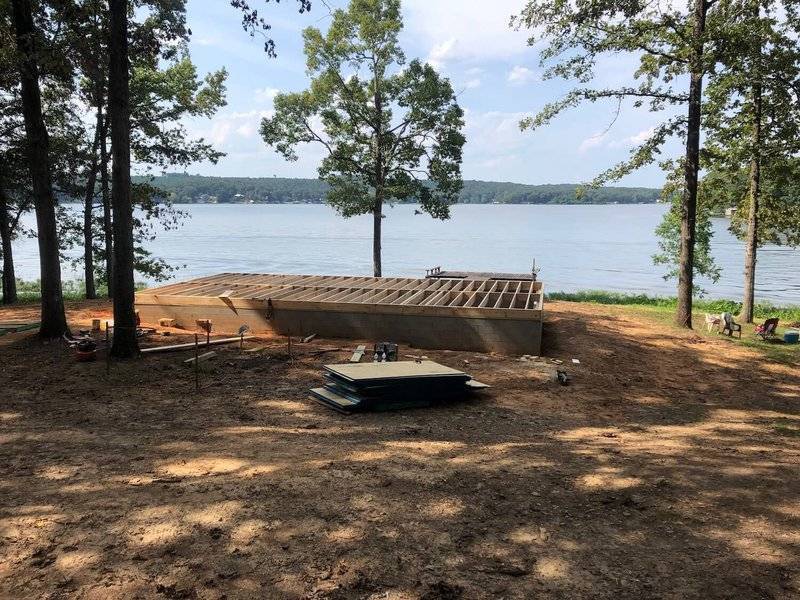
Crawl Space Foundation - $$$A crawl space foundation uses short perimeter walls to elevate the home a few feet off the ground, creating a crawl space underneath, like a short basement. This buffers against moisture and keeps the floor off the cold ground. |
|
|---|---|
| Pros | Cons |
|
|
|
Average Cost Nationwide: About $14,500 Cost per square foot: $10-$19 |
|
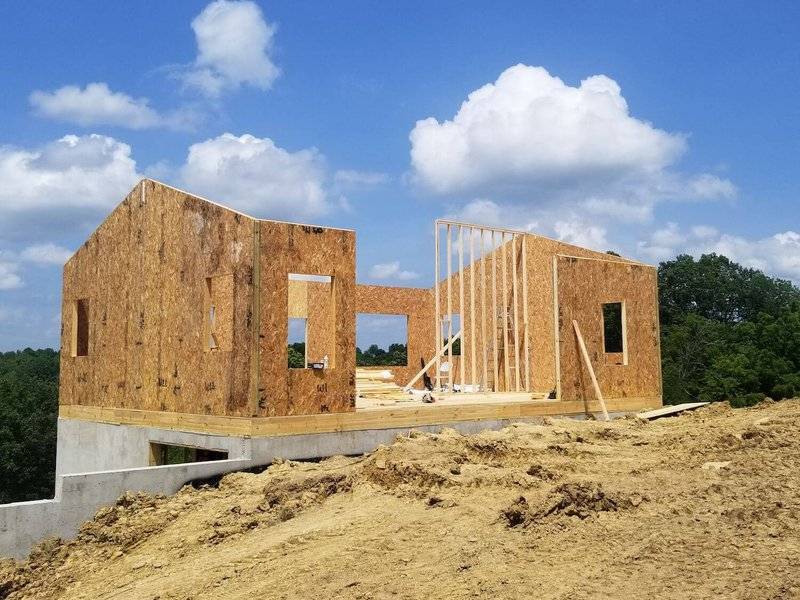
Basement Foundation - $$$$A basement foundation adds a complete story of space below the house, with concrete walls and floor forming an underground room. This effectively creates an additional living or storage area beneath the main house. |
|
|---|---|
| Pros | Cons |
|
|
|
Average Cost Nationwide: About $27,000 Cost per square foot: $17 - $33 |
|
House Kits with Full Basement Foundations
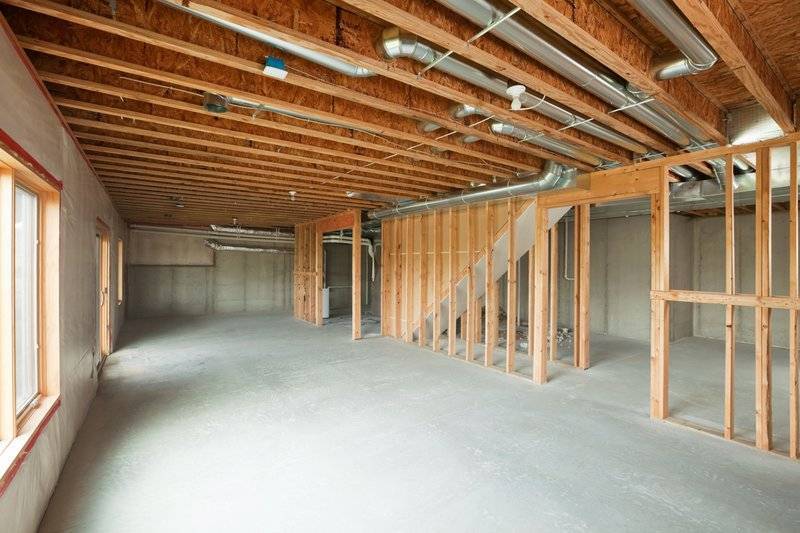
If you want to add more finished living space or need extra room for storage, a basement foundation is the way to go. In regions with tornado activity, the basement foundation also offers safety during severe weather.
A basement is an excellent choice for a fall-away lot because windows and doors in the lower level make the space comfortable and offer easy access to a backyard. Although basement foundations are usually the most expensive, they also provide the most return on investment.
According to HomeAdvisor, the average cost for a basement foundation is $18 per square foot.
Can I build a basement foundation anywhere?
The short answer is probably. The foundation must include adequate drainage systems and waterproof membranes to build a basement in areas with high water tables, poor soil conditions, or on downward slopes.
What are the different types of basements?
- Masonry Wall Basements: In this type of basement, the walls are constructed with masonry block units that feature joints where the masonry units connect to each other, which ensures that it is properly reinforced. Walls are waterproofed (not damp-proofed) to avoid water seepage. Construction can stay on track with concrete block basement construction because there is no long-curing time. Block walls add cost because the construction requires skilled masonry workers.
- Precast Panel Basements: Concrete panels are manufactured off-site, lifted by a crane, and installed. The main benefit of this type of wall over a poured concrete wall is the reduced labor and time it takes to install. Most precast panel foundations can be put up in about a sixth of the time needed for poured concrete.
- Poured Concrete Wall Basements: The most common type of basement foundation. These foundations are dug to a minimum depth of 8 feet, and concrete is poured into sealed footings. Note that this would slow your house kit building project due to the time needed for curing.
Benefits of a Poured Concrete Basement
- Strength: Poured concrete has a compressive and flexural strength that far exceeds block walls.
- Safety: Poured concrete offers twice as much fire protection as hollow core concrete blocks.
- Design Flexibility: Poured concrete adapts to most home designs and can be made with a brick or smooth finish.
House Kits with Crawl Space Foundations

A crawl space foundation is a good choice if your land has high groundwater. It can also be a good option if you live in a dry climate or are building in an area where the soil is compressed and hard to dig.
A crawl space is a short basement that is generally above ground. Like a basement, it should be air sealed, insulated, conditioned, and controlled. Local building codes set the requirements.
One requirement that could be overlooked is termite-control access, so an inspector can easily evaluate damage in the future.
House Kits with Slab Foundations
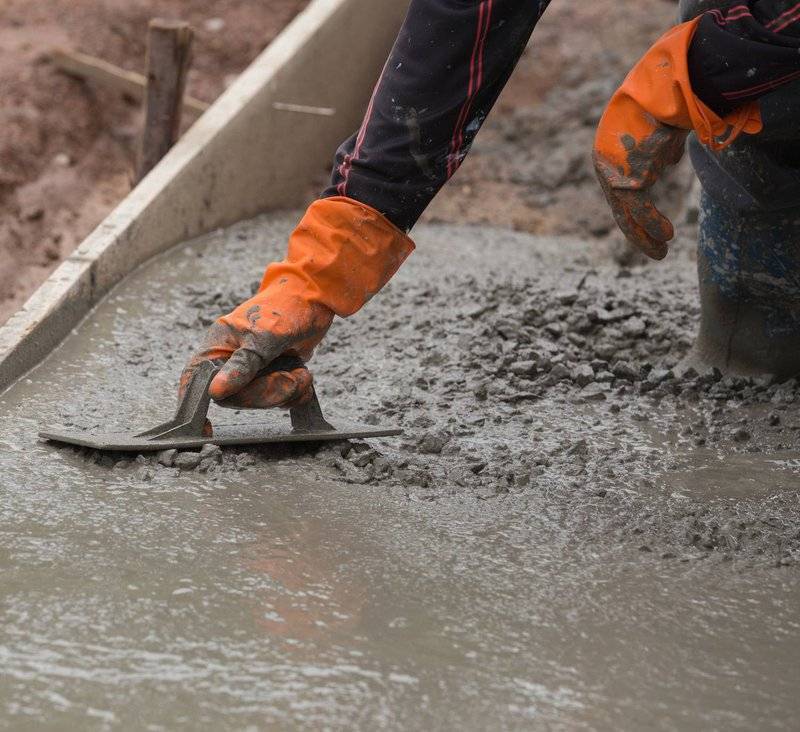
With proper site preparation, a slab foundation can reduce the cost of your home-construction project up to $10,000. Another benefit of a slab foundation, called a pad, is that the concrete cures faster. Construction doesn’t have to slow down nearly as much as a poured-concrete basement foundation.
Concrete for slab foundations is generally 4” to 6” thick.
For all slab foundations, plumbing must be planned before pouring the pad because the services are embedded in the concrete. Your home's floor plans would indicate the placement of the service lines.
How Climate Affects Slab Foundations
Your land and climate will determine whether a slab foundation would work for your house kit. A slab foundation may not be the best for areas susceptible to flooding, but there are exceptions. A properly built pad includes drainage systems.
Building home kits in areas with significant freezing requires deeper footers and other slab adaptations because the ground heaving between freezing and thawing can cause cracking.
Common Slab Foundation Types
- Floating Slabs: These pad foundations have no footers or detached footers. The concrete is poured in the frame on top of the ground prepared with gravel for drainage, reinforcement steel mesh, and rebar. This foundation is not recommended for cold climates.
- Slab-On-Grade: This foundation includes footers poured with the pad. It is also called monolithic because both the slab and footers are one concrete unit. This foundation is not suitable for areas with long freezing periods.
- T-Shaped: This slab design is engineered especially for areas with ground freezing. Construction involves excavating below the ground freezing line for footers around the perimeter. Foundation walls are framed on the footers and then poured with concrete. The pad is poured on the prepared ground and foundation walls. The slab attaches to the walls with anchor bolts.
House Kits with Pier and Beam Foundations
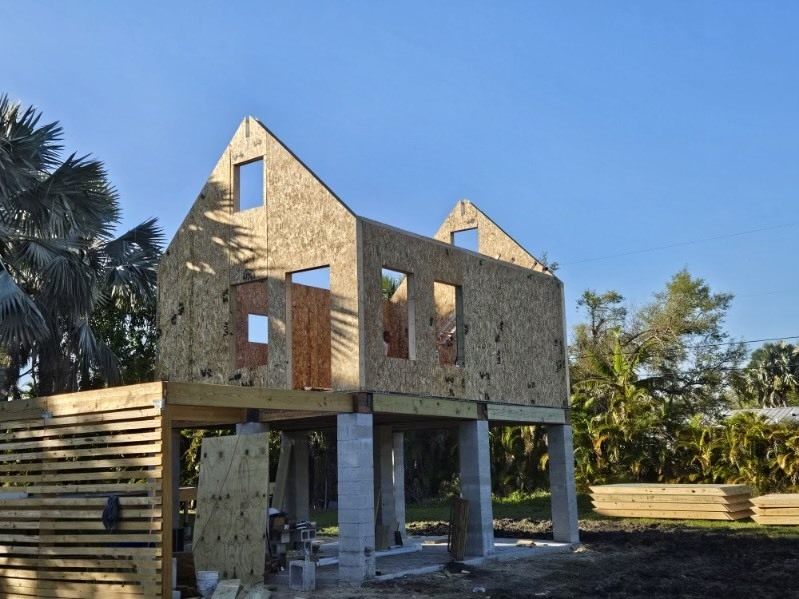
Many homes built before the mid-1900s were built atop pier-and-beam foundations, also called post-and-beam. As slab foundation methods evolved, pier-and-beam foundations became less common. In this design, vertical piers elevate the home from the ground, leaving a crawl space below–or, as shown above by one of our customer builds in Florida's Bokeelia Island, the piers can elevate the home enough for an entire basement beneath the kit.
Beams set horizontally across the piers support the structure. Because of the elevation and open space, this foundation protects homes in areas prone to flooding. A pier and beam foundation works well on a regular-shaped, smaller home.
However, without proper drainage, rainwater and moisture may accumulate in the crawl space of pier and beam foundations, leading to mildew and mold. The foundation can also be used for a sloping lot.
Building Kit Home Foundations the Right Way
Whether it’s a basement, slab, crawl space, or pier-and-beam foundation, choosing the right foundation begins with laying the proper groundwork – literally. Your new kit home’s foundation should be built on solid, well-drained ground.
Much of your building project relies on the planning and decisions made before any concrete is poured. Be sure to finalize your plans for water and sewer lines so they align with your home’s floor plan. These need to be in place before the foundation is poured.
Mighty Small Homes can adjust and customize any of our prefab house kits to meet your foundation needs. With proper planning, assembling your small house kit will be a much smoother process.
Frequently Asked Questions (FAQs)
Most houses are built on one of three primary foundation systems: slab-on-grade, crawl space, or full basement. A slab-on-grade is a single concrete pad poured at ground level. A crawl space uses short foundation walls to elevate the house about 2–4 feet above ground, creating a small space underneath for access. A basement foundation has an entire level below ground with full-height walls, adding another floor. Other foundation styles exist, like pier-and-beam, but these three are the most common.
There isn’t a single “best” foundation for every house. It depends on your climate, soil conditions, land slope, and needs. For example, in warm climates with flat, stable soil, a simple concrete slab foundation is often best because it’s affordable and quick. A raised pier-and-beam or crawl space foundation is better suited to elevate the house in flood-prone areas or uneven terrain. And if you need extra living or storage space, a basement foundation might be the best choice. In short, the ideal foundation is the one that fits your site conditions and budget.
Generally, a poured concrete basement with steel reinforcement is considered one of the strongest foundation types. A basement has substantial concrete footings and walls anchored deep into the ground, giving it excellent load-bearing capacity and stability. A well-built slab-on-grade is also very strong and long-lasting.
Monolithic slab-on-grade foundations are typically the cheapest option for a house. A single-pour concrete slab requires minimal excavation and uses less concrete and labor than other foundations, keeping costs low. In many areas, a basic slab foundation can cost as little as $5–$7 per square foot, about $10,000 for a small home.
The cost of a home’s foundation varies depending on the type and size of the home. As a rough guide, foundation cost per square foot ranges from around $5–$10/sq ft for a slab, $10–$20/sq ft for a crawl space, and $15–$30/sq ft for a basement. In other words, a 1,000 sq. ft. home might spend roughly $5,000–$10,000 on a slab foundation, around $15,000 on a crawl space, or $20,000–$30,000 or more on a basement. Remember, actual costs depend on your location (labor rates, material prices) and site specifics like soil, drainage, and how complex or straightforward the foundation layout is.
It depends on your needs and site conditions. A pier and beam foundation elevates the house, which is advantageous to avoid minor flooding or accommodate a slope. It also makes running utilities and performing repairs easier since you can access everything in the crawl space. On the other hand, a slab foundation is usually less expensive to build and can be more energy-efficient. Slabs provide a concrete floor that requires little maintenance and allows for easier entry. However, slab foundations aren’t ideal on poor-draining or hilly sites, and repairing a broken pipe under a slab can be costly. In contrast, pier-and-beam foundations are not as suitable in hurricane or earthquake zones because they’re lighter.
Yes, a post and pier foundation can be a permanent foundation if it’s built to code. In construction terms, “permanent foundation” means it’s designed to remain in place and support the structure long-term (as opposed to a temporary trailer foundation, for example). A pier foundation should have solid concrete footings below each pier and be anchored and braced appropriately. When done correctly, it will last as long as any other foundation.
Yes. Almost all prefab homes, including modular and kit homes, need a foundation like any traditionally built house. A prefab house is assembled on your property and isn’t mobile, so it requires a stable base to sit on. Depending on the design and your site, you can choose any standard foundation type for a prefab home: slab, crawl space, basement, or pier-and-beam. The foundation is usually prepared before your prefab or kit home is delivered and assembled.
For a small home, simplicity and cost are key considerations. Many small homes use a slab foundation or a pier-and-beam foundation to keep expenses low and construction straightforward. A slab-on-grade works well if your site is flat and in a mild climate, offering an inexpensive, easy foundation. Pier-and-beam can be great for small cottages or cabins, especially on uneven ground or when you want to minimize concrete use. They’re often the cheapest foundation for a small house. A basement can add an entire floor of space, though it’s the most expensive option.
The phrase “basement on piers” can be confusing because it sounds like two different foundation types combined. If a home is described as having a “basement on piers,” it usually means no actual basement. Instead, the house is built on a pier foundation with no enclosed basement level. In some regions, an elevated home might be listed this way to indicate that it’s on a raised foundation.