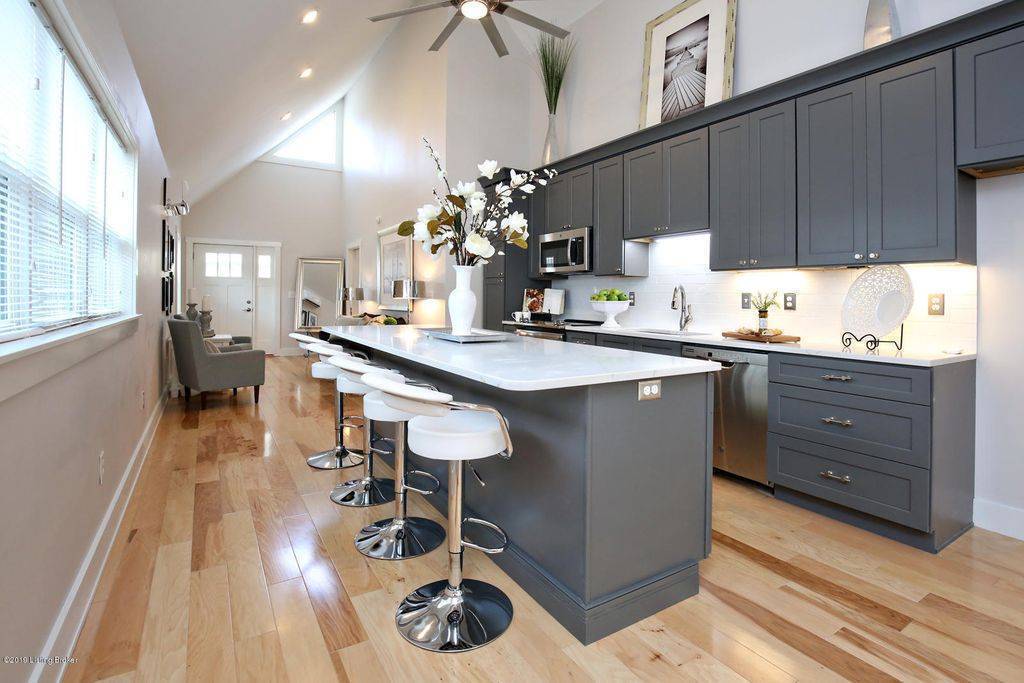
Why More Homeowners Are Building Backyard ADUs for Airbnb Income
Why More Homeowners Are Building Backyard ADUs for Airbnb Income
More homeowners are choosing to build an ADU for rental income. These accessory dwelling units (ADUs) help offset housing costs without the commitment of owning a separate property.
With rising homeownership expenses and strong demand for short-term rentals, many ask: Is an ADU worth it for Airbnb? Units that meet ADU backyard requirements can generate income close to home.
Detached ADUs work well for short-term rentals because they offer privacy for both hosts and guests. They allow homeowners to earn rental income without altering the main residence and can adapt to changing household needs.
As ADU zoning rules evolve and prefab ADU kits become more accessible, backyard ADUs are emerging as a practical, flexible way to earn rental income while supporting long-term property value.
What Is an Accessory Dwelling Unit?
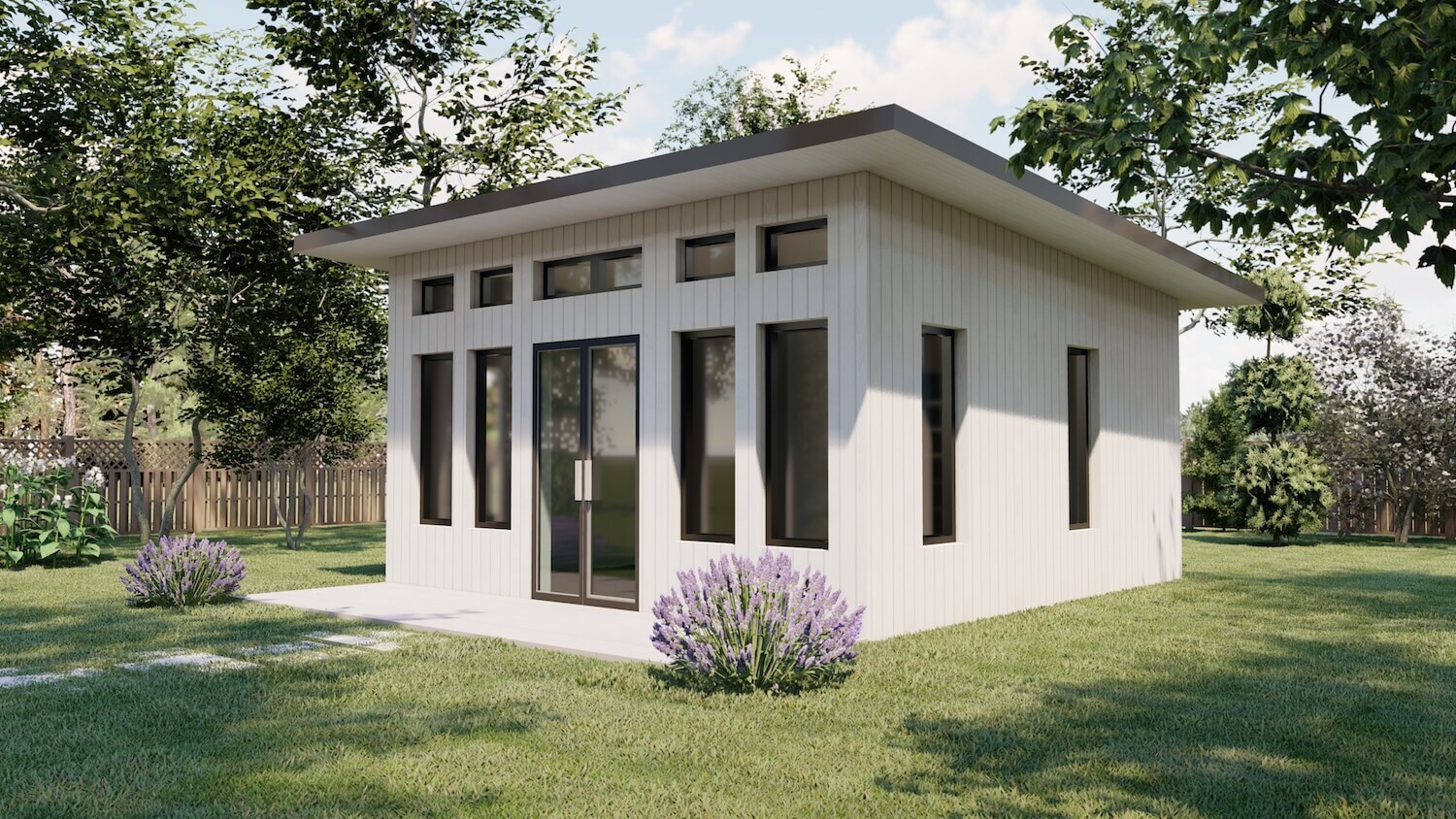
An accessory dwelling unit is a separate living space located on the same property as a primary home.
Unlike a home addition, an ADU has its own kitchen, bathroom, and entrance. This makes ADUs suitable for short-term rentals, guest accommodations, home offices, or studios.
Common Types of ADUs
- Detached units in the backyard
- Attached units connected to the main house with private access
- Converted spaces like garages or basements, where allowed
This flexibility appeals to homeowners seeking additional income without disrupting daily life.
Top Airbnb Rental Advantages of Backyard ADUs
For homeowners looking to build an ADU for rental income, backyard units offer immediate earning potential and manageable hosting.
ADU rental privacy benefits make these units appealing to guests, while prefab ADU unit options can shorten construction timelines and limit disruption.
An ADU can also serve as a flexible investment property, providing short-term rental income while contributing to long-term property value.
Income Potential Without Overcommitting the Property

Many homeowners assess ADU ROI by weighing build costs against flexible short-term rental income instead of fixed monthly rent.
Earnings vary by location, seasonality, and local regulations.
Urban areas, tourist destinations, and college towns usually have higher demand, while suburban markets may attract weekend or short-stay guests.
The appeal lies in the optional income. Homeowners can host when it suits them and pause rentals when needed.
For many, an ADU helps offset mortgage payments, cover property taxes, or fund home improvements while keeping income flexible.
Privacy Benefits for Hosts and Guests

Privacy is a major advantage of ADU-based short-term rentals. Detached units eliminate shared walls, entrances, and common areas.
Hosts avoid daily disruptions, and guests enjoy a more independent stay.
Smaller ADUs, often under 900 square feet, promote efficient layouts with sound insulation, separate utilities, and defined outdoor space.
These features help maintain privacy and contribute to better guest experiences.
On-Site Management Without On-Site Stress
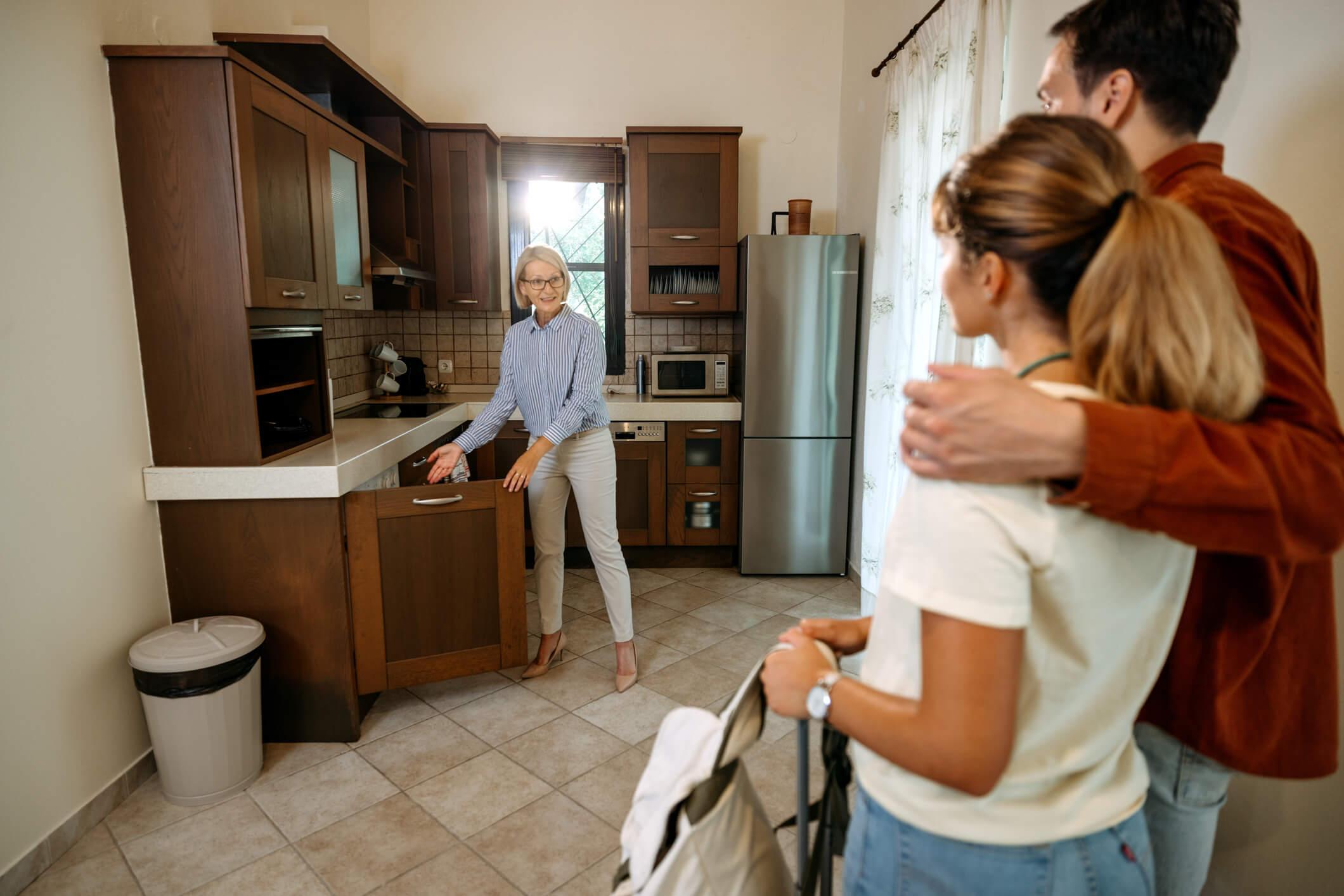
Backyard ADUs allow homeowners to manage rentals without extensive travel or coordination.
Being on the same property simplifies maintenance, cleaning schedules, and guest support.
Issues can be addressed quickly, and proximity does not require constant interaction because the unit remains separate from the main home.
This setup makes short-term renting more approachable for first-time hosts and helps keep day-to-day disruption to a minimum.
Built-In Flexibility Beyond Airbnb
An ADU built for short-term rentals doesn’t have to remain in that role permanently. Many homeowners often point to flexibility as a primary motivation, with the ability to shift the space between uses as needs change.
A backyard ADU may initially operate as an Airbnb, then transition into an ADU home office, guest suite, or multigenerational living space later.
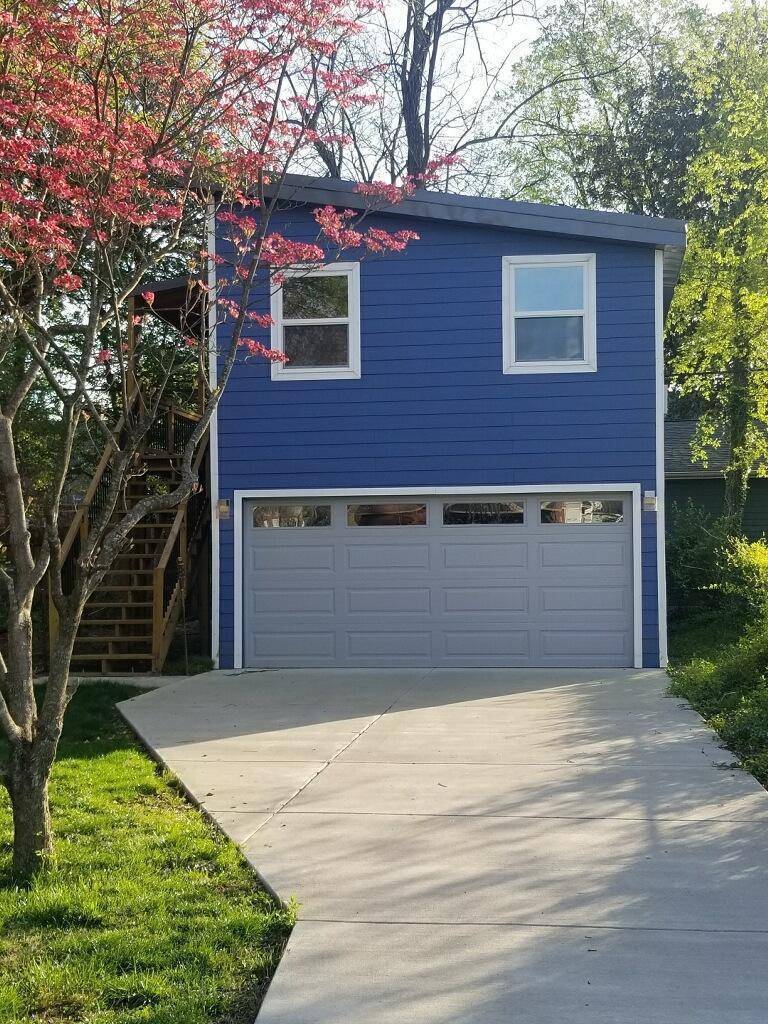
A carriage‑style ADU can even pull double duty, with a garage or workshop on the ground floor and a fully rentable living space above—giving homeowners both functional utility and steady income potential in a single footprint.
This adaptability contributes to its value as an ADU investment property and can improve resale appeal.
It also makes ADU a better option than tiny homes for rental income, especially where zoning rules and permanent structures are a factor.
Financial Value Beyond Monthly Income
Short-term rental income often draws the most attention, but ADUs also affect a property's long-term value.
FHFA data shows that homes with ADUs in California have achieved higher median appraised values than comparable homes without them, indicating that appraisers factor in added living space and income potential.
Many homeowners use ADUs to add functional square footage without expanding the primary home’s footprint.
Smaller, energy-efficient ADUs, including those built with structural insulated panels, usually use less energy. This lowers utility expenses and contributes to more comfortable stays for guests.
Utility Savings & Efficiency
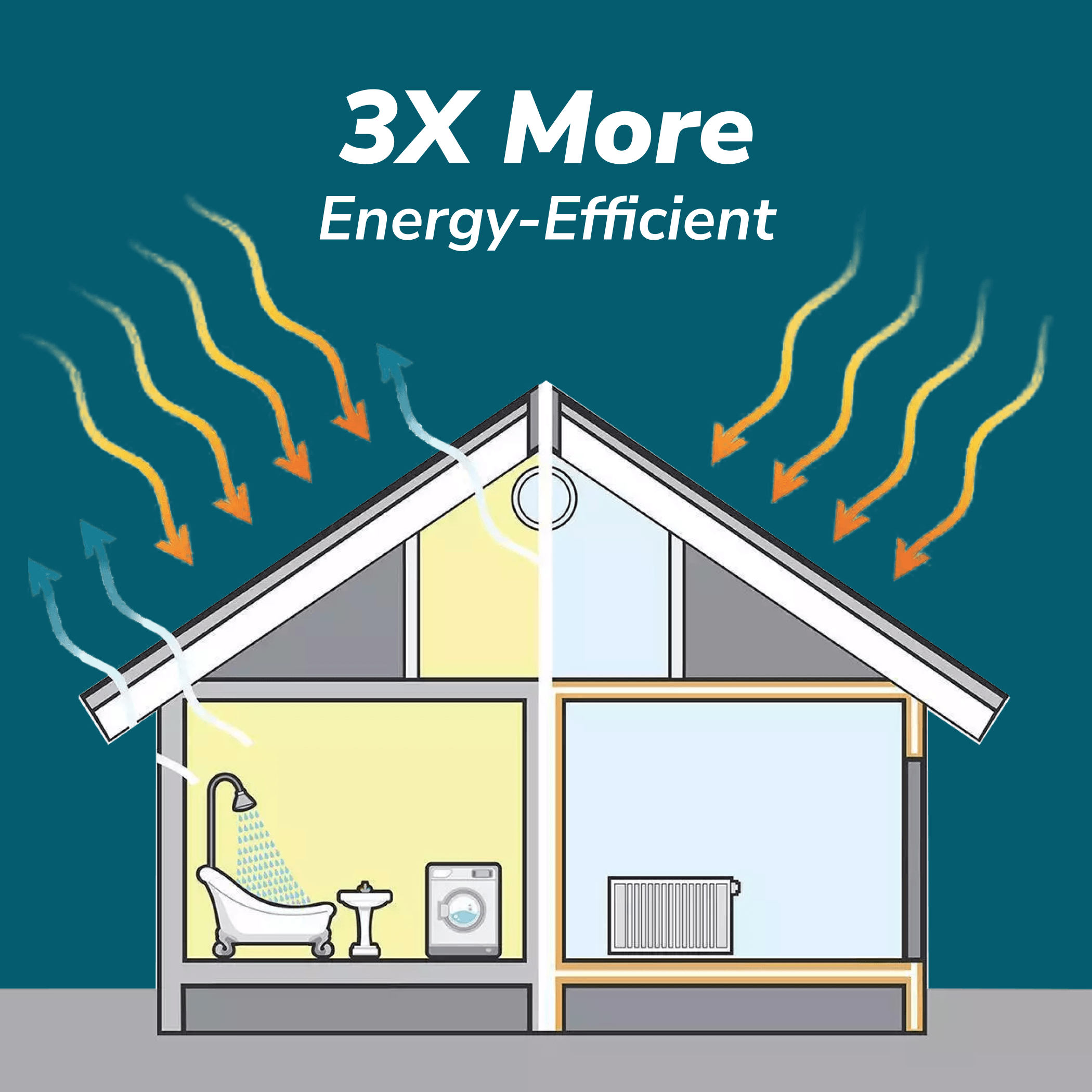
Operating costs are crucial for short-term rentals. Energy-efficient ADUs reduce heating and cooling demand, supporting steadier cash flow and simpler financial planning.
High-performance construction methods, such as SIP ADU builds, create tighter building envelopes that reduce energy loss.
These efficiencies result in measurable ADU utility cost savings.
Stable indoor temperatures and quieter interiors can also enhance guest comfort, which often helps to better reviews and repeat bookings.
Durability & Weather Resistance
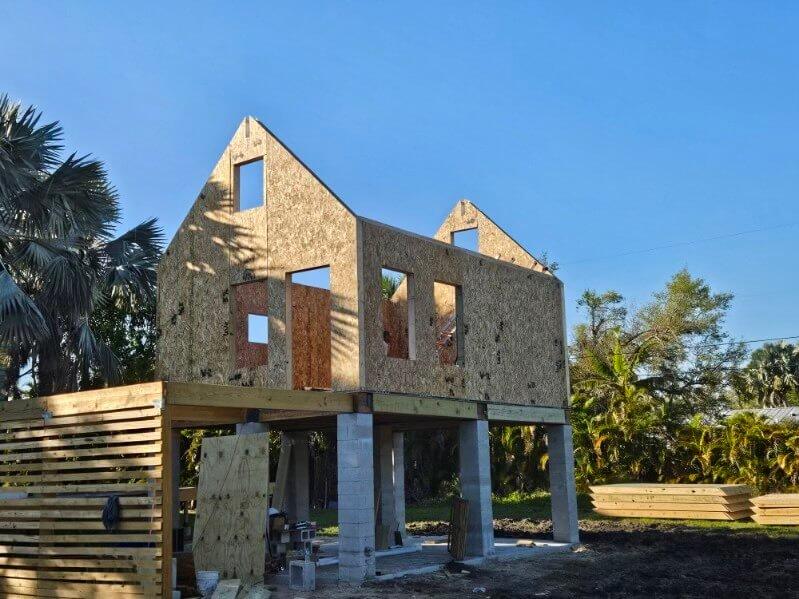
Durability becomes more important when an ADU sees frequent guest use.
Construction quality directly affects long-term performance and maintenance demands.
SIP ADUs resist common issues like air leakage, moisture intrusion, and settling that affect many traditional builds.
Durable ADUs constructed with long-lasting ADU kits reduce maintenance cycles and limit downtime, making them well-suited for short-term rental use.
Build Timeline & Ease
Many homeowners value the ability to manage schedule and scope.
Understanding ADU construction cost and the overall ADU building process early helps set realistic expectations and avoid extended delays.
Prefab and kit-based approaches can simplify adding an ADU to my property by reducing on-site labor time and construction disruption.
A shorter, more predictable build timeline allows the unit to be used sooner, whether for guest stays or other long-term purposes.
Altogether, ADUs offer rental privacy, flexible use, and a balanced approach to income and long-term value.
Practical Considerations Before Building an ADU for Rental Income
Before committing to an ADU intended for short-term rental use, homeowners need to assess several practical factors.
ADU backyard requirements and permitting rules vary by jurisdiction, and legal considerations for ADU rentals often differ from long-term leasing. Understanding regulatory feasibility early helps avoid delays and helps long-term viability.
Utility connections may require separate meters, while some areas allow shared systems. Insurance coverage should reflect short-term rental use, and neighborhood factors such as parking, noise, and visibility should also be reviewed.
Prefab ADUs for Faster and More Predictable Builds
Prefab and kit-based ADU construction is gaining traction.
Companies like Mighty Small Homes offer ADU kits for homeowners, including prefab ADU options for Airbnb options suitable for short-term rentals.
Many rely on SIP ADU construction, which combines framing and insulation in a single system.
SIP construction enhances energy performance and sound control while reducing long-term maintenance demands.
For short-term rentals, this often translates into quieter stays, lower utility costs, and more predictable financial outcomes.
Making ADUs Work as Investment Properties
Beyond short-term rental income, ADUs can function as long-term investment assets within a residential portfolio.
Financial modeling that accounts for payback periods, cash‑flow variability, and seasonal demand helps clarify break-even timelines.
Adding an ADU can enhance property value uplift and provide flexibility for equity planning over time.
With careful attention to zoning, short-term rental restrictions, and permitting timelines, ADUs can deliver returns comparable to other residential investment strategies.
These units also allow owners to pivot between uses, including short-term rentals, long-term leases, or multigenerational housing, as market conditions change.
Best ADU Models for Airbnb Short-Term Rentals
For homeowners considering a prefab ADU for Airbnb use, smaller, efficient layouts often perform well.
Effective designs balance comfort, privacy, and energy efficiency. SIP ADU construction helps reduce utility costs while creating quieter interiors.
Selecting the best ADU size for Airbnb enables easier management and consistent guest appeal.
Popular ADU Styles for Short-Term Rentals
The goal is a self-contained space that balances comfort, efficiency, and long-term value.
ADUs as a Long-Term Investment Property
For homeowners weighing whether to build an ADU for rental income, short-term earnings are only one factor.
Backyard ADUs can deliver competitive ADU ROI, retain flexibility for future uses, and maintain Airbnb income potential without overextending the property.
In markets with rising housing costs and limited supply, these units are often evaluated as long-term investments rather than temporary income solutions.
FAQs
It depends on local zoning and short-term rental regulations. Some cities allow ADUs but restrict short stays, while others permit both with registration, permits, or owner-occupancy rules.